
Wide view of a Southern garden in late spring with growing vegetables and flowers in Georgia

A Southern Garden in Late Spring

If a Southerner is going to give you their opinion on something, it’s going to be the weather. If it’s too cold, we’ll cry, “I wasn’t made for this!” But, on certain days when the weather feels just right, we’ll sigh and say, “If only the weather was like this all the time.”

Many of those “perfect days” of Southern weather happen in late spring.

While the weather at this time of year is perfect, my garden leaves me a little impatient. It is a period of waiting for the next big show.

The seeds in both the vegetable and flower gardens have all been sown. Plants are growing their vines, stems, and leaves until the early weeks of summer give us pops of color from zinnias and tomatoes alike.

This article contains affiliate links. If you purchase through these links, I may earn a small commission at no additional cost to you. Thank you for supporting Belle Antiquarian.

Birdbath surrounded by flowers and pollinator plants in a Southern garden during late spring
A garden is never just about the plants. Water, pollinators, and wildlife all play a role in late spring.

The Vegetable Garden Requires Patience

You may have heard the expression, “a watched pot never boils.” I think a better saying would be, “a watched tomato never ripens.”  During late spring, the tomatoes in my vegetable garden are lingering in their own space-time continuum. The vines are loaded with handfuls of green tomatoes that can’t be rushed to reach their full ruby-colored potential.

Clusters of green tomatoes growing on the vine in a Southern vegetable garden during late spring
Tomatoes spend much of late spring suspended between promise and harvest, testing the patience of gardeners eager for the first tomato sandwich of summer.

As I look from the kitchen window, I can see yellow flowers on my zucchini and cucumber plants. Big flowers on the zucchini invite a whole host of pollinators to join the party at once, while the small flowers on cucumbers only have room for one bee at a time.

The pollinators are working and having their feast in my garden, but my vegetable feast won’t begin for a few more weeks.

While I wait, I’m closely watching the colors of the leaves on my young vegetable plants. I’ll take clues from them to see if the soil needs fertilizing or amending. On many mornings I trudge to the garden carrying my largest watering can. It’s full of diluted fish fertilizer or calcium, food for my young tomatoes.

I’m bribing them with, “Tomatoes, if I do this for you, what will you do for me?” And I hope the reply will be more tomatoes than I can eat or give away.

Cucurbit bee gathering pollen from a cucumber flower in a Southern vegetable garden
While gardeners wait for vegetables to ripen, pollinators are already hard at work among the blooms.

In addition to feeding the growing plants, I also watch for signs of unwanted bugs, and I take preventative measures to keep them at bay for the rest of the season. When the sun goes down, an eerie purple glow from my black light flashlight scans the plants up and down for the dreaded tomato hornworm.

Pampering these vegetable plants now means that in a few weeks my patience will pay off as I take a bite of my first tomato sandwich of the summer.

The vegetable garden requires surprisingly little equipment, but there are a handful of tools, fertilizers, and amendments I reach for throughout the growing season.

Recommended vegetable garden supplies including tools, fertilizers, and garden essentials
Click the image to browse the vegetable garden tools, fertilizers, and supplies I use throughout the growing season.

A Season Between Blooms

While I wait for my vegetables to grow, the flowers have a time of transition, too. Early spring gives the South flowers with soft and delicate blooms. In summer, flower varieties have transitioned to hardier and sturdier stems that can withstand the heat that settles in at the hottest part of the day.

Unopened zinnia flower bud developing in a Southern cut flower garden during late spring
The first zinnia blooms of summer are still forming in late spring, building anticipation for the season’s brightest display of color.

The peonies, which bloom in early spring in the South, have come and gone weeks ago. The tiny pink blooms on my Peggy Martin roses and the fuzzy, purple alliums have finished their shows as well.

In late spring, my flower gardens will not only be a source of blooms to bring indoors, but they will also attract important pollinators.

Spires of salvia and lavender dance and sway as the bees crawl from flower to flower for their next treat. Hummingbirds flit in and out of gladiolus flowers.

During this time, the zinnias and dahlias are still growing their stems. Flower buds are beginning to form, and anticipation builds for when they decide it is time for a chorus of color.

As the flower garden begins its summer display, these are a few of the tools and containers I use for harvesting, arranging, and enjoying blooms indoors.

Recommended flower garden supplies for growing, cutting, and arranging blooms
Click the image to browse the flower garden tools, harvesting supplies, and floral essentials featured in this article.

Learning to Wait

After the long and dark months of winter, spring brings new growth and excitement. But it also requires a great deal of waiting and patience.

Gardener harvesting gladiolus stems in a Southern flower garden during late spring
Gardening requires both patience and participation, rewarding careful attention with flowers to bring indoors and moments spent outdoors.

It’s a good thing the weather is so ideal in the South during late spring, because I spend a lot of time checking on the gardens.

I drink my morning coffee hovering over my pepper plants like a helicopter parent. I’ll take another stroll through the rows in the evening after dinner. Have the seeds germinated since I last stared at the dirt six hours ago?

Gardening is both about myself and something bigger than myself. I am nurturing these plants with water, food, and protection. But I’m also connecting to the earth as a whole.

These days of perfect late spring weather in the South are fleeting with every rotation of the Earth. And while we often wish these perfect days could last forever, would we really want them to?

Soon the mild temperatures of late spring will give way to the humid heat that is necessary for a watermelon to ripen and a dinner-plate dahlia to unfurl in summertime.

Afterwards, shorter days will trigger the reds, oranges, and yellows of autumn leaves.

Each season requires patience for what is still to come and an appreciation for what is here now, because neither lasts forever.

The sun, the dirt, and the pollinators are all reminders that it’s never just about the little seeds we sow in spring.


Other Reader Favorites:
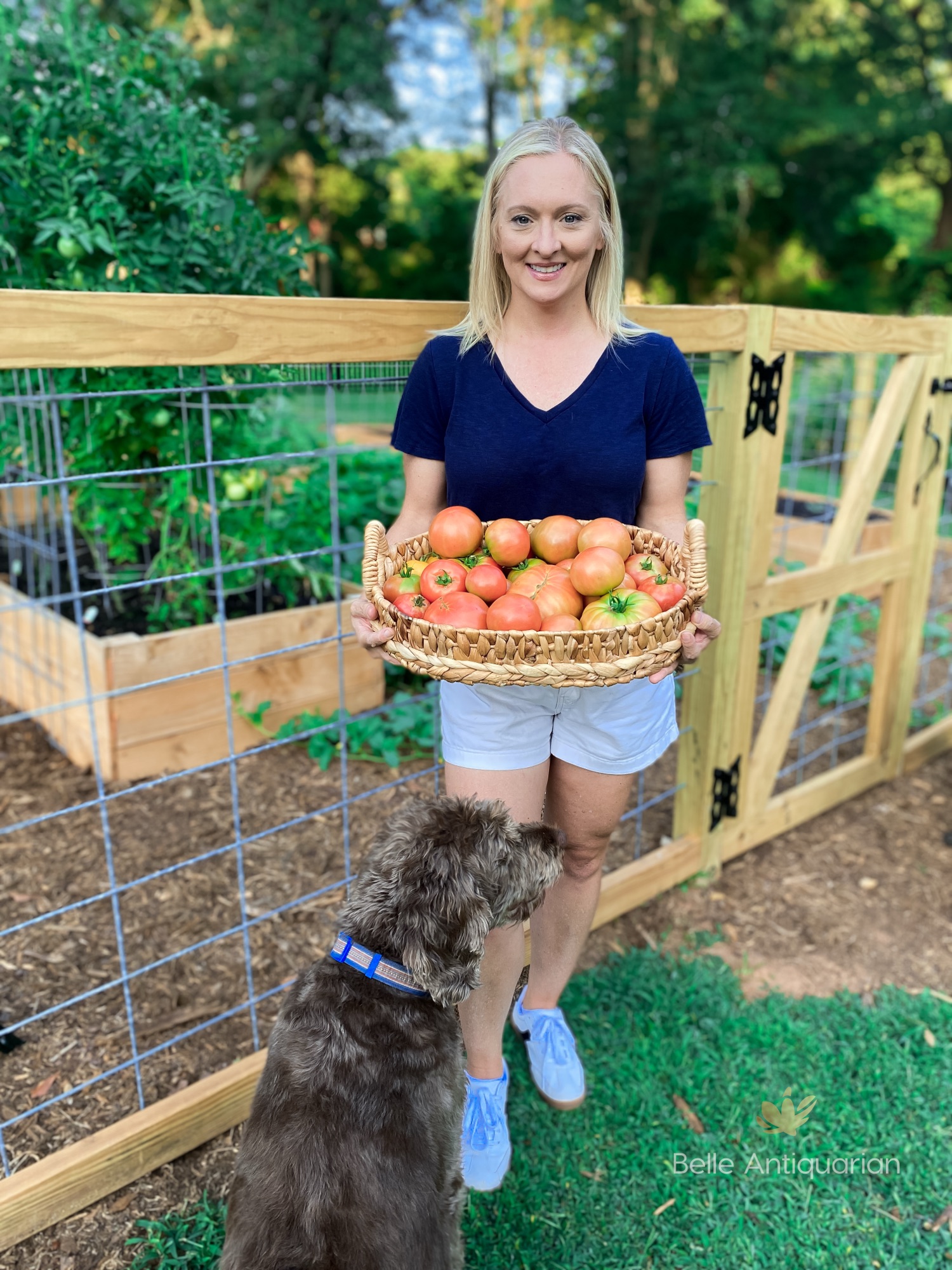
A woman, Abby, stands in front of her garden holding a large basket full of tomatoes. There is a brown dog by her side.

Simple Garden Joys: Everyday Moments from a Southern Summer Garden

The Heart of a Southern Garden

I have found that there are few things in life as empowering as gardening. The humbling act of placing a tiny seed into rich, dark soil, watering it, and waiting for the sun to penetrate the earth…only for a pair of green leaves to emerge a few days later is a series of small miracles. Knowing that I have the capability to do this, regardless of anything else happening in the world, is a grounding force.

As a child I watched my mother use a rototiller to turn the soil and create her own garden in our backyard. I was awe-struck at the zucchini, yellow squash, and corn she grew. She told me the names of the wildflowers she planted: Black-eyed Susans, Bachelor’s Buttons, and Zinnias. I witnessed that by simply placing seeds in dirt, my mother had the power to make things grow. What I didn’t know then is that gardening would grow to become an important part of my life.

This article is part of my Old-Fashioned Summer Saturdays series, a weekly look at timeless summer traditions, seasonal recipes, and vintage-inspired living. This week we’re in the garden, talking about the simple joys that gardening will enrich your life with. Gardening, especially in a Southern backyard, offers more than food or flowers…it offers a sense of peace, purpose, and tradition.

If you’ve found your way here via Instagram, Pinterest, or Google, I hope you’ll take the time to check out the other articles in this series, which you will find linked at the end.

Morning Stillness & Rituals

In the South we are fortunate to have an incredibly long growing season. I begin my planting in February, and by the time July and August arrive, I find myself tending the garden in the early morning or late evening to avoid the sweltering heat. Not long after the sun rises, I make my way to my vegetable garden with a steaming cup of coffee in one hand, dragging the hose behind me with the other.

As I water the thirsty soil around my tomatoes and honeydew melon, there are no cellphone alerts or sounds from the morning news. It has become a time of stillness, peace, and meditation. I lose track of time as I breathe slower and think clearly. My early morning garden routine has become a quiet ritual, an antidote to a busy world and the heartbeat of my Southern summer days.

The thing is, gardening is something that anyone can do. With a little patience, you can create a garden to cultivate as an act of self-care. Whether you have a large backyard, a small deck at an apartment, or just a sunny window, I encourage you to plant a few seeds and become their caretaker.

The Joy of Tending

There is something sacred about working in the garden with your hands. In the rhythm of pulling weeds, tying up tomato vines with old twine, and gently snipping herbs for supper, I find a quiet joy that asks for nothing but presence. My garden is home to heirloom varieties passed down through generations. Cherokee Purple tomatoes, Rattlesnake pole beans, and Mammoth sunflowers stand taller than me by August. These plants, chosen with care, are more than produce; they’re a living thread between the past and present. Gardening reminds me that growth isn’t just about the harvest. It’s about showing up, getting your hands dirty, and tending to something with love.

Unexpected Visitors

As a result of tending a garden, I feel a gentle responsibility for the other visitors that come as a result of this habitat that I’ve created. Every year I breathe a sigh of relief when the pollinators arrive, because they are an integral part of gardening success. I look to see how many varieties of bees are moving from flower to flower. This year I have seen Common Eastern Bumble Bee, Western Honey Bee, and Blueberry Digger Bee.

The butterflies arrive a bit later in the season when the high temperatures settle in. The American Lady and Eastern Tiger Swallowtail flit by quickly as they search for nectar in nearby flowers.

In the evening, the song of the Cicadas starts soft and low, but by the time the sun sets, the Fall Southeastern Dusk-singing Cicadas are loudly calling in unison to each other. It is the song of a Southern summer night.

As I walk though the garden, past the cucumbers and beans, these creatures and I…the toads, bees, birds, and even the bats…we are all together, living on this marvelous earth, depending on one another for food, safety, and cooperation.

Gathering the Harvest

There have been years when I have not harvested a single tomato. The squirrels got to them before they started to blush, or the soil I planted them in wasn’t healthy. This year I planted a new bed full of zinnia seeds, and the results were disappointing, to say the least.

In other years, like this year, I am begging neighbors to take grocery bags full of cucumbers so that they don’t go to waste. (We made pickles more times this year than I ever have before.)

Regardless of the Southern summer harvest, there is joy simply in the act of gardening homegrown vegetables. The process of caring for something other than yourself turns into just that, caring for yourself. Gardening is both self-less and soul-sustaining.

A woman, Abby, stands in front of her garden holding a large basket full of tomatoes. There is a brown dog by her side.

A Garden is Never Just a Garden

Gardening feels like it is a huge part of who I am. It is something that I think about even on the cold, dark days of winter. I have wondered, though, would I still have followed this path if I hadn’t witnessed my mother gardening? My Great Aunt Fern was a gardener into her 90s, so is this something in my DNA?

Maybe the idea of a Tomato Hornworm has you swearing that you will never plant a Cherokee Purple heirloom tomato within 500 miles of your house. Maybe you’re not “outdoorsy.” That’s okay, but I encourage you to figure out what you ARE interested in that brings you simple joy. And I’m willing to bet that it’s not glowing back at you from a screen.

Whether you’re planting tomatoes or simply sitting among the blooms, slowing down with nature invites you to notice life again.

Explore More from Old-Fashioned Summer Saturdays

This article is part of my Old-Fashioned Summer Saturdays series, where I share timeless inspiration for warm-weather living. Be sure to check out these reader favorites:

– Timeless Red, White, and Blue Decor Ideas for the Porch
– Heirloom Tomato Dreams
– Classic Summer Whites: Timeless Linen Dresses and Southern Style Staples
– Refrigerator Pickles—A Southern Summer Staple
– Creating a Cozy Summer Reading Spot
– Old-Fashioned Strawberry Shortcake Cake
– Blue and White China for Summer Entertaining
You can subscribe here to receive new articles, seasonal inspiration, and vintage-style favorites delivered right to your inbox.

I often get asked to recommend things that I use while gardening. You can find the items I recommend in my LTK shop HERE, or you can click the image below to be taken directly there.