
Living room end table styled with a painted tole tray, stacked books, and a large vintage silver trophy bowl

Decorating with Silver: Bringing Vintage Pieces Back Into Everyday Living

A shift toward more casual living gradually reshaped the American home; walls came down, dining rooms disappeared, and somewhere along the way, we stopped decorating with silver.

Silver has been considered elegant and formal. We often think of it as being reserved for special occasions, but in older homes, silver was simply used.

I don’t think silver ever stopped belonging in our homes; we simply forgot how to live with it. It’s time to reconsider how silver lives in our everyday lives.

Decorating with Silver in the Everyday Home

With the shift towards a more casual culture, silver pieces were discarded as people asked themselves, “When would I ever use this?” I think a better question is, “How are you going to use it?” The solution for how to decorate with silver is to find an everyday use.

Living room end table styled with a painted tole tray, stacked books, and a large vintage silver trophy bowl
Layering a silver trophy bowl over books and a painted tray creates depth, blending traditional elements with a relaxed living space.

Silver shouldn’t be kept at a distance up on a shelf or behind china cabinet doors. It should be touched, appreciated, and used as interactive pieces in your daily life.

When we stop looking at silver pieces as objects to be perfectly preserved, and we embrace their natural patina, the possibilities become endless for using silver in home décor.

The Working Kitchen: Where Silver Feels Most Natural

Decorating with silver starts in the kitchen. You’re probably not having guests over for a formal tea service, but you can still use those pieces in new ways to fit your lifestyle.

Decorating with silver in a coffee station using a vintage silver tray, white china cups, and a wooden plate rack display
A silver tray brings structure to an everyday coffee station, layered with white china for a collected, timeless look.

Sugar bowls can be repurposed to hold loose tea or kitchen twine. A petite creamer makes the perfect vase for small flowers picked in the garden.

Silver bowls that were once reserved for main dishes function perfectly for holding fruit, herbs, or other frequently used kitchen items.

Silver should be embraced in everyday spaces. It’s not a thing of the past.

Beyond the Dining Table: Unexpected Ways to Use Silver

The dining room was where we would’ve found the most abundant displays of silver. Today, those same pieces are used in new, creative ways when we incorporate vintage silver décor in our homes.

Decorating with silver using a vintage trophy tray styled with a Christmas cactus in a blue and white ceramic pot
A silver trophy tray grounds a simple plant display, elevating everyday greenery with contrast and character.

Trays that once held entrees become layering pieces on counters or islands. They’re designated places to organize everyday items like your coffee accoutrements or spice jars.

Silver doesn’t need its original purpose to be useful. A footed bowl becomes a beautiful vessel for holding fruit or a seasonal collection, like ornaments.

On the other hand, we can reinvent a silver piece that was never meant for the dining room, such as a trophy, and fill it with beautiful flowers for a centerpiece.

Antique silver teapot repurposed as a pencil holder on a secretary desk with a brass lamp and blue willow details
A small silver teapot takes on new life as a pencil holder, proving that even the most traditional pieces can be used in everyday ways.

Decorating with Silver in Living Spaces

Decorating with silver in living spaces is successful when it is blended with other objects, rather than being used as a featured object.

Vintage silver tray styled with a crystal decanter, cocktail shaker, lowball glasses, and a silver sugar bowl with pheasant feathers
A vintage silver tray anchors a layered bar arrangement, blending glass, metal, and natural elements for a relaxed but intentional display.

A coffee table is undoubtedly beautiful when layered with a silver tray topped with candles, books, and matches. Your side table is perfect for a silver bowl that acts as a catch-all for everyday items.

Silver is easily incorporated into home décor by mixing materials. The formality of the metal is toned down by mixing it with other materials like wood, linen, glass, or even paper objects like books.

Decorating with silver using a small vintage bowl placed on books on a white nightstand in soft evening light
A simple silver bowl layered over books adds a quiet, reflective detail to a softly lit bedside space.

Mixing Old and New: How Vintage Silver Works in Modern Homes

A more modern and relaxed aesthetic is achieved by avoiding the tendency to match each piece with another. Silver pieces can be mismatched or stand on their own.

Vintage silver mint julep cup used as a vase for red roses on an antique desk styled as a nightstand
A vintage mint julep cup becomes an unexpected vase, adding a refined touch to a personal, collected bedside vignette.

Vintage silver décor is modernized by intentionally pairing it with modern pieces. Silver candle holders with black taper candles or a silver tray topped with a modern piece of art are examples of how to blend different styles when decorating with silver.  

Find Pieces to Use, Not Just Display

You will find silver pieces in antique stores, thrift stores, and estate sales. Silver pieces, which were unremarkably lurking in the background, will now jump out at you, ready to be found.

Check your silver pieces for damage before purchasing them. If silver plated pieces are polished too harshly, there will be places where the silver has been removed. Check for wobbly candleholders or broken feet. Damages like that are difficult to repair.

Vintage silver pedestal bowl displayed for sale in an antique store, suitable for decorating with silver in the home
A silver pedestal bowl spotted in an antique store; pieces like this are often waiting to be brought back into everyday use.

Once you find pieces to love, let your imagination flow on how to use them in your home.

A collected home comes together when we buy with intention. Choose pieces you’ll use in your home and avoid buying for the sake of buying.

A More Collected Way of Decorating with Silver

At some point, we forgot that beautiful objects weren’t just for guests; they are for us to enjoy in our homes as well. Vintage silver is meant for everyday use.

So, here’s your permission slip: Start with one silver piece that you love and incorporate it into your daily life. You deserve to have a bit of elegance in your own home.


There’s more to explore, try these articles next:

Patterns & Patina: How to Layer Like a Southerner

How to Style Vintage Blue and White China for Summer Entertaining
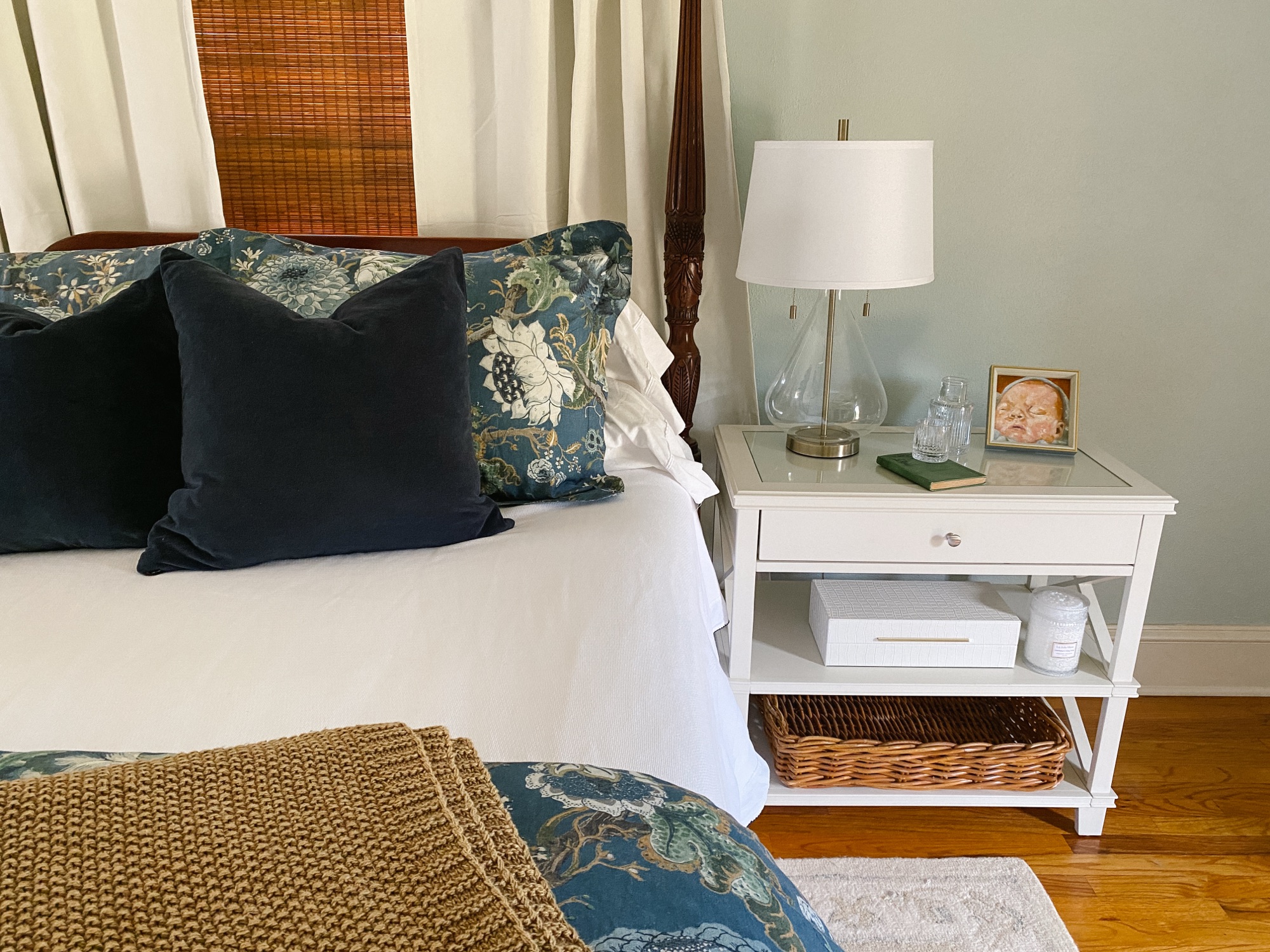
Feminine nightstand with lamp, carafe, small art, storage boxes, candle, and basket.

Home as a Haven: How to Create a Cozy Bedroom Retreat

Welcome back to the sixth installment of our weekly Friday series called Falling for Home: A Weekly Autumn Journal. Each week we explore ways to embrace the softness of the autumn season, create a welcoming environment to restore your spirit, and fall in love with our own homes again. If you’re just joining me here from Google, Pinterest, or Instagram, I invite you to read the other segments in this series, which can be found linked at the bottom of this article.

As the season progresses, we begin to lose daylight hours and the temperatures cool. The sun is setting earlier each day, and we begin to retreat indoors.

Today we’ll start a conversation on the importance of intentionally curating a personal haven in your home and creating a place to restore yourself… not just a place to crash at the end of the day to get some sleep.

The bedroom as a whole reflects the balance of function and comfort: closed storage to keep clutter tucked away, restful art, and layered bedding that invites you to linger.

Step One: Clear the Space for Peaceful Rest

Many of my readers are the family’s nurturers, often putting everyone else’s needs before their own. In the home, this translates into prioritizing the shared family spaces and even the children’s bedrooms. Our bedrooms become the catch all and dumping grounds for all the miscellaneous items that don’t have a designated spot. The clean laundry is often brought into our bedrooms until it can be folded and put away later.

Not only does this create physical clutter; it creates mental clutter and unrest in the very space that we retreat to get rest.

Create Processes

We need processes for dealing with items that make their way into our bedrooms. I like to use a method called “Touch it once.” For example, if I’m taking laundry out of the dryer, then dumping it on my bed, then moving it to a chair to fold it later, I’ve touched it 3 or 4 times before it gets put away. By folding each item as I take it out of the dryer, I will touch it only once before it gets put away. Doing it this way might not feel like it in the beginning, but it becomes a lot less work.

Look around your bedroom to assess miscellaneous piles of clutter. Those are the items that you’ll need to create a new process for. When we move piles of clutter from one spot to another to clean, we’re just moving the mess around and not actually taking care of the mess.

Essential Items

Next, I recommend that you only keep the essential items within sight. These would be things that support the rest, comfort, or function of your bedroom. For example, you’ll need a bedside table of some sort, a lamp within reach of your bed, and a hamper to hold your dirty laundry. Other examples are a throw blanket that gets used on chilly nights or a fan that cools you in warm weather. Essential items are ones that directly help you rest, prepare for the day, or feel comforted. If it distracts you, nags at you, or simply takes up space without providing function, it doesn’t belong in your bedroom.

Daily Items

In addition to essential items, we all have daily items, which I recommend organizing into closed storage containers. These items are practical, not decorative, and by placing them into closed storage containers we are able to keep surfaces peaceful without disrupting our routine. Examples of daily items would be chargers, medications, skincare, books, and pajamas. When each item has a designated space in a closed storage system, we easily prevent clutter from snowballing into piles. Items are still convenient and within reach; they’re just not visually tiresome or nagging.

Implementing these habits can take a little practice. However, you’ll find that if you consistently maintain these methods, it will be well worth the effort when you have a peaceful, relaxing space at the end of the day.

On his side of the bed: a leather catchall, favorite books, and a wood box for everyday necessities, proof that practicality can be handsome when it’s well-contained.

Step Two: Add Meaningful & Personal Touches

Your bedroom is probably a place that most guests won’t see. And if you’re a parent, it may be the one space in your home that’s truly yours. Your bedroom is an opportunity to create a room with décor that reflects your personality and sentimentality. By carefully selecting your furnishings and accessories, you can build an area for yourself that makes you feel at home.

Adding personal touches to your bedroom should be done with simplicity, restraint, and sentimentality. For example, a gallery wall of art or family photos creates too much stimulation and interest in a space that is intended for relaxation. Instead, try adding a small family photo in a frame on your nightstand or dresser.

You can easily personalize your bedroom by adding one small vase for flowers, a small antique dish as a catchall, or an heirloom quilt at the end of your bed. Instead of surrounding your room with your entire collections, pick one favorite that you can use in a functional way. By doing so, you’ll keep your space peaceful and uncluttered.

On her side: a small carafe for evening water, original art for a touch of beauty, and storage boxes to keep daily items close but unseen. Serenity comes from thoughtful restraint.

Step Three: Layer Comfort & Care

Repeating tones, from the bamboo shade to the throw blanket and picture frames, bring warmth and cohesion. A reminder that subtle echoes of color and texture create harmony in a room.

Gen Z is known for not using “the big light.” They’re referring to the overhead light, which we call “ambient lighting” in the interior design world. In an area like a bedroom, I tend to agree with them.

Strategically adding lamps to a bedroom for accent and task lighting creates a much more relaxing environment than using “the big light.” I recommend lamps for your nightstands that are easy to reach and turn on/off without getting out of bed. You should be able to easily fit your hand under the shade to operate the switch or use a lamp that has a switch on the cord. If you have a reading chair in your bedroom, a floor lamp can be a well-thought-out addition.

Another way to create a relaxing environment for yourself is to consider your comfort and senses. Stay away from scratchy or uncomfortable fabrics that will be next to your skin. Consider whether candles, fragrance plug-ins, and even laundry detergents are overpowering your senses. No smell is better than a strong smell.

Lastly, consider your needs while you are in your room. If you frequently find yourself getting up for water, a carafe of water and drinking glass will be helpful to you.

Soft lamplight turns the bedroom into a sanctuary at dusk, offering a place to exhale as the day comes to a close.

Step Four: Invest in Quality Where It Counts

If you follow me on Instagram, you know that I love a good bargain and buying things second-hand. However, there are some things in the bedroom that I won’t compromise on. A good rule of thumb is, the closer it is to your skin, the higher quality you need to invest in. A good example of this is choosing bargain window coverings, but higher quality bedding. You won’t be laying down at night on your curtains, but you will be on the sheets.

When purchasing bedding, I recommend looking at thread count and fabric materials. If there isn’t a thread count listed, it’s most likely very low. High thread count sheets will last decades, so while the upfront cost may be marginally more, they will last incredibly longer than cheaper options… saving you money in the long run.

It’s also important to consider fabric materials. Fabric materials with descriptions like “knit, jersey, cooling” are less breathable than materials with long-staple natural fibers like Egyptian cotton. They are inferior materials that usually weave some sort of synthetic material made of plastic into the fibers. Synthetic materials don’t last very long and will need to be replaced in a short amount of time.

Most of us are on a budget, and it’s simply not realistic to invest in the highest quality of furnishings and accessories all at once for our spaces. I encourage you to make a point of switching things over one at a time until you have created a well-curated space that you deserve. Swap furniture made of composite materials for solid wood pieces, synthetic bedding for high-quality bedding made from renewable materials, mass-produced art for original art that reflects your unique personality. In this way, we create a collected space that truly becomes a haven in our home.

Layering textures – the quilt, duvet, and throw – adds depth and comfort. Each piece contributes to the feeling of being enveloped in warmth.

Step Five: Introduce Seasonal Color & Mood

I would be remiss if I didn’t point out the impact that color has on your bedroom haven. The psychology of color tells us that our emotions are subconsciously affected by the colors in our spaces. Restaurant owners, marketing professionals, and health care facilities understand that color goes beyond preference.

When choosing wall color, linens, and accessories in a bedroom, it’s important to understand the effects of your choices. I recommend tones with less saturation if you are trying to create a palette to anchor your room’s mood. Too much visual interest will hinder relaxation in a bedroom.

Today I am recommending a set of three colors, which can also be seen on the image below. Pale Oak, Cloud White, and Hale Navy are choices that you can bring into your space in a variety of ways such as furniture, bedding, lampshades, throw blankets, and artwork. They also provide a relatively neutral backdrop for you to add your personal touches that were mentioned above. If you can’t repaint your bedroom at this time, these three colors also tend to work well with a myriad of other colors.


Throughout this article I have mentioned things that I find to be useful in a bedroom space. You will find examples of these items in this curated list, which can be found by clicking HERE or clicking on the image below. You’ll find many more choices in this list than the ones pictured.

Click to shop from a list of suggestions for each of these areas.

Explore More from Falling for Home: A Weekly Autumn Journal

This article is part of my series called Falling for Home: A Weekly Autumn Journal. Be sure to check out these reader favorites:

You can subscribe here to receive new articles, seasonal inspiration, and vintage-style favorites delivered right to your inbox.

a summer table scene with lemons in an antique bowl, cutting board, yellow and white checked tablecloth, and lemon napkins

How I decorate for Summer Without Spending a Dime

Summer decorating doesn’t have to cost a thing. In fact, some of my favorite seasonal touches come from using what I already have. Here’s how I refresh my home each summer without spending a single dime.

1. Seashells and Natural Finds

A collection of shells from past beach trips is all it takes to bring that breezy coastal feeling indoors. I display mine in antique bowls, baskets, and even old jars.

an antique blue willow bowl filled with collected seashells, the lid to an antique cracker jack tin, a small american flag

2. Shop Your House by Color

Red, white, and blue is a classic combo that’s easy to work with if you start gathering. I pulled books, quilts, vases, and other small accents in these shades and grouped them together for an instant Americana feel.

3. Use Family Photos as Decor

I pulled out a few favorite summer photos of my kids from when they were little, especially ones where they’re wearing patriotic outfits or playing outside. Tucking these into frames I already own brings personality and memories into the room.

4. Reuse What You Already Own

I’ve saved flags, fans, and table linens over the years, and I bring them out every summer. They might not be perfect, but that patina is part of the charm. Don’t be afraid to use what you love!

5. Clip from the Yard

You don’t need a florist to make a summer statement. I clip fresh greenery or blooms from the yard and pop them into vintage jars or pitchers. It instantly freshens up any room…for free!

6. Use Fresh Seasonal Fruit as Functional Decor

Summer fruit isn’t just for eating; it can double as a beautiful, budget-friendly centerpiece. I like to display peaches, lemons, or limes in a vintage bowl or colander on the kitchen counter or dining table. It’s a simple way to add color, texture, and that fresh summer feeling, while using what you’re already buying. Bonus: it’s practical and gets eaten before it spoils.

7. Rearrange for a Fresh Look

One of the easiest no-cost ways to freshen up is to simply moves things around. Switch throw pillows from one room to another, restyle your shelves, or flip patterned pillows to the plain side for a lighter, airier look.

Decorating for summer doesn’t require a shopping trip, just a little creativity! Whether it’s pulling out old family photos, styling shells from a beach trip, or clipping hydrangeas from the yard, the most meaningful decor often comes from the things we already own.

Which idea will you try first? Leave a comment and let me know how you’re decorating for summer on a budget!