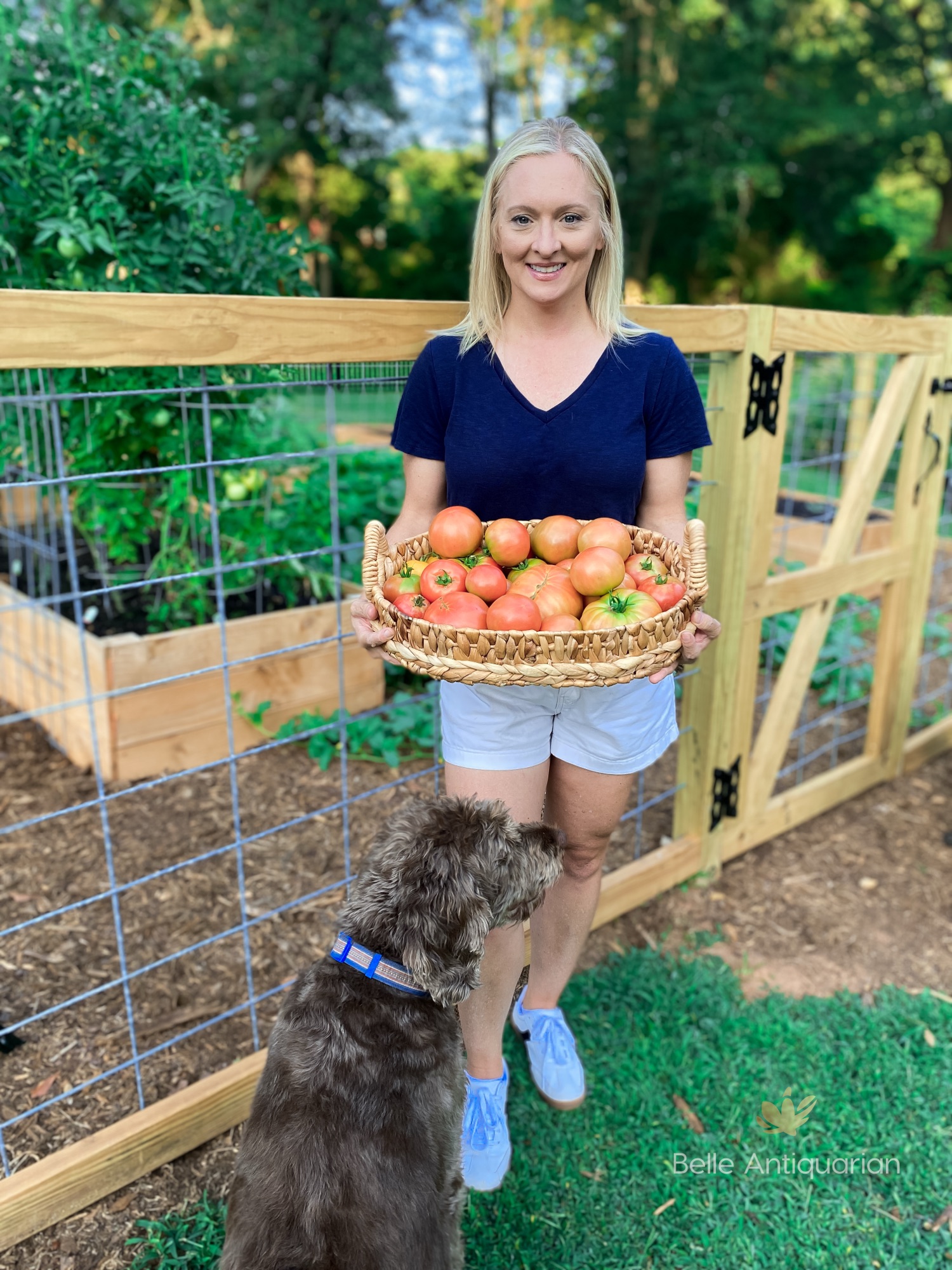
A woman, Abby, stands in front of her garden holding a large basket full of tomatoes. There is a brown dog by her side.

Simple Garden Joys: Everyday Moments from a Southern Summer Garden

The Heart of a Southern Garden

I have found that there are few things in life as empowering as gardening. The humbling act of placing a tiny seed into rich, dark soil, watering it, and waiting for the sun to penetrate the earth…only for a pair of green leaves to emerge a few days later is a series of small miracles. Knowing that I have the capability to do this, regardless of anything else happening in the world, is a grounding force.

As a child I watched my mother use a rototiller to turn the soil and create her own garden in our backyard. I was awe-struck at the zucchini, yellow squash, and corn she grew. She told me the names of the wildflowers she planted: Black-eyed Susans, Bachelor’s Buttons, and Zinnias. I witnessed that by simply placing seeds in dirt, my mother had the power to make things grow. What I didn’t know then is that gardening would grow to become an important part of my life.

This article is part of my Old-Fashioned Summer Saturdays series, a weekly look at timeless summer traditions, seasonal recipes, and vintage-inspired living. This week we’re in the garden, talking about the simple joys that gardening will enrich your life with. Gardening, especially in a Southern backyard, offers more than food or flowers…it offers a sense of peace, purpose, and tradition.

If you’ve found your way here via Instagram, Pinterest, or Google, I hope you’ll take the time to check out the other articles in this series, which you will find linked at the end.

Morning Stillness & Rituals

In the South we are fortunate to have an incredibly long growing season. I begin my planting in February, and by the time July and August arrive, I find myself tending the garden in the early morning or late evening to avoid the sweltering heat. Not long after the sun rises, I make my way to my vegetable garden with a steaming cup of coffee in one hand, dragging the hose behind me with the other.

As I water the thirsty soil around my tomatoes and honeydew melon, there are no cellphone alerts or sounds from the morning news. It has become a time of stillness, peace, and meditation. I lose track of time as I breathe slower and think clearly. My early morning garden routine has become a quiet ritual, an antidote to a busy world and the heartbeat of my Southern summer days.

The thing is, gardening is something that anyone can do. With a little patience, you can create a garden to cultivate as an act of self-care. Whether you have a large backyard, a small deck at an apartment, or just a sunny window, I encourage you to plant a few seeds and become their caretaker.

The Joy of Tending

There is something sacred about working in the garden with your hands. In the rhythm of pulling weeds, tying up tomato vines with old twine, and gently snipping herbs for supper, I find a quiet joy that asks for nothing but presence. My garden is home to heirloom varieties passed down through generations. Cherokee Purple tomatoes, Rattlesnake pole beans, and Mammoth sunflowers stand taller than me by August. These plants, chosen with care, are more than produce; they’re a living thread between the past and present. Gardening reminds me that growth isn’t just about the harvest. It’s about showing up, getting your hands dirty, and tending to something with love.

Unexpected Visitors

As a result of tending a garden, I feel a gentle responsibility for the other visitors that come as a result of this habitat that I’ve created. Every year I breathe a sigh of relief when the pollinators arrive, because they are an integral part of gardening success. I look to see how many varieties of bees are moving from flower to flower. This year I have seen Common Eastern Bumble Bee, Western Honey Bee, and Blueberry Digger Bee.

The butterflies arrive a bit later in the season when the high temperatures settle in. The American Lady and Eastern Tiger Swallowtail flit by quickly as they search for nectar in nearby flowers.

In the evening, the song of the Cicadas starts soft and low, but by the time the sun sets, the Fall Southeastern Dusk-singing Cicadas are loudly calling in unison to each other. It is the song of a Southern summer night.

As I walk though the garden, past the cucumbers and beans, these creatures and I…the toads, bees, birds, and even the bats…we are all together, living on this marvelous earth, depending on one another for food, safety, and cooperation.

Gathering the Harvest

There have been years when I have not harvested a single tomato. The squirrels got to them before they started to blush, or the soil I planted them in wasn’t healthy. This year I planted a new bed full of zinnia seeds, and the results were disappointing, to say the least.

In other years, like this year, I am begging neighbors to take grocery bags full of cucumbers so that they don’t go to waste. (We made pickles more times this year than I ever have before.)

Regardless of the Southern summer harvest, there is joy simply in the act of gardening homegrown vegetables. The process of caring for something other than yourself turns into just that, caring for yourself. Gardening is both self-less and soul-sustaining.

A woman, Abby, stands in front of her garden holding a large basket full of tomatoes. There is a brown dog by her side.

A Garden is Never Just a Garden

Gardening feels like it is a huge part of who I am. It is something that I think about even on the cold, dark days of winter. I have wondered, though, would I still have followed this path if I hadn’t witnessed my mother gardening? My Great Aunt Fern was a gardener into her 90s, so is this something in my DNA?

Maybe the idea of a Tomato Hornworm has you swearing that you will never plant a Cherokee Purple heirloom tomato within 500 miles of your house. Maybe you’re not “outdoorsy.” That’s okay, but I encourage you to figure out what you ARE interested in that brings you simple joy. And I’m willing to bet that it’s not glowing back at you from a screen.

Whether you’re planting tomatoes or simply sitting among the blooms, slowing down with nature invites you to notice life again.

Explore More from Old-Fashioned Summer Saturdays

This article is part of my Old-Fashioned Summer Saturdays series, where I share timeless inspiration for warm-weather living. Be sure to check out these reader favorites:

Timeless Red, White, and Blue Decor Ideas for the Porch
Heirloom Tomato Dreams
Classic Summer Whites: Timeless Linen Dresses and Southern Style Staples
Refrigerator Pickles—A Southern Summer Staple
Creating a Cozy Summer Reading Spot
Old-Fashioned Strawberry Shortcake Cake
Blue and White China for Summer Entertaining
You can subscribe here to receive new articles, seasonal inspiration, and vintage-style favorites delivered right to your inbox.

I often get asked to recommend things that I use while gardening. You can find the items I recommend in my LTK shop HERE, or you can click the image below to be taken directly there.

A woman stands in a kitchen holding a red heirloom tomato.

Heirloom Tomato Dreams: A Simple Southern Tomato Sandwich and Summer Garden Ritual

Some memories are sun-warmed and red-stained, like tomatoes still warm from the vine. In my Southern garden, heirloom tomatoes aren’t just vegetables. They’re history, flavor, and summer all wrapped in one.

There’s no mistaking the smell of a tomato vine that’s been brushed by little fingers searching for the ripe fruit on plant. I’m immediately transported back to summers when my children were small, very excited to see what we grew in our tiny backyard garden. There are certain smells that say “summer” to me, and a tomato vine will always be one of them.

A woman stands in a kitchen holding a red heirloom tomato.
It’s a Tomato Girl Summer. Click the photo to shop this look.

This post is part of Old-Fashioned Summer Saturdays, a weekly series where I share timeless Southern joys, from gardening and seasonal recipes to vintage-style living. If you found your way here from Instagram, Pinterest or Google, I hope you’ll stay a while and explore the other articles in the series.

The tomato is one of the most popular and versatile treasures in the Southern garden. While many gardeners will grow enough to can and preserve tomatoes for their pantry, the vast majority of us backyard gardeners are chasing the heirloom beauties for one major purpose: the tomato sandwich. It’s a sandwich that has graced generations of Southern tables, humble in appearance, but unforgettable in flavor.

It’s undisputed that the Southern tomato sandwich consists of two slices of Sunbeam bread dressed with Duke’s mayonnaise and filled with slices of garden-fresh tomatoes (salted and peppered, of course). However, today I would like to offer a couple of variations of the classic Southern tomato sandwich.

A southern tomato sandwich made from a heirloom tomato, Duke's mayonnaise, and sunbeam bread
An undisputed classic, the heirloom tomato sandwich.

The first variation on the classic Southern tomato sandwich is to add another Southern delicacy, pimento cheese. I love to cover one piece of Sunbeam bread in pimento cheese, instead of the Duke’s mayonnaise, and add my fresh tomato slices. From here you can go one of two ways in order to finish the sandwich: a slice of cooked bacon or some zippy refrigerator pickles. Both are equally as delicious with the fresh tomato and pimento cheese, but my favorite way is to add the refrigerator pickles. The tartness of the pickles slices right through the richness of the pimento cheese. A pickle and pimento cheese sandwich? Absolutely not. A tomato sandwich with pimento cheese and refrigerator pickles? You do not know what you’re missing out on! (Refrigerator pickle recipe HERE.)

The second variation on the original Southern tomato sandwich is to swap the Sunbeam bread for some sourdough slices. We’re making a summer tomato grilled cheese sandwich. Instead of using the Duke’s mayonnaise on the inside of the sandwich, we’re going to “butter” the outside of the bread with it. Select some cheese slices of your choosing, but I suggest some mozzarella slices for the direction we’re going in. After you salt and pepper some tomato slices, add them to your sandwich before cooking it like you would any other grilled cheese sandwich. All you need at this point is some balsamic glaze or dressing to dip your sandwich in. It’s heaven on a plate.

A vine-ripened tomato is a thing of glory. But if I have to be honest, I’m often fighting the squirrels for my ripe tomatoes. I usually pick them when they are just starting to blush, and I allow them to finish ripening in our bright kitchen windows. Our kitchen becomes dressed in the colors of our harvest, and the air becomes scented with the fruits of our labor. I found this wonderful candle scent called “tomato and vine.” It’s not the exact same thing as a fresh tomato on the windowsill, but it’s nostalgic and beautiful. I just had to share it!

two heirloom tomatoes on a kitchen counter next to a beautiful glass jar candle scented "tomato and vine"
Click to shop this “tomato and vine” scented candle.

There’s something sacred about the slowness of tending a tomato vine. It’s a ritual, a heritage, a love letter to simpler days…and one bite brings it all rushing back.

Below is a round-up of a few of my favorite tomato-related things! Click the photo to shop or find the complete list HERE. I hope you’ll come back next week for the newest installment of Old-Fashioned Summer Saturdays.

Click the photo to shop my tomato related favorites.

Explore More from Old-Fashioned Summer Saturdays

This article is part of my Old-Fashioned Summer Saturdays series, where I share timeless inspiration for warm-weather living. Be sure to check out these reader favorites:

Simple Garden Joys
Timeless Red, White, and Blue Decor Ideas for Summer Porch Styling
Classic Summer Whites: Timeless Linen Dresses and Southern Style Staples
Refrigerator Pickles—A Southern Summer Staple
Creating a Cozy Summer Reading Spot
Old-Fashioned Strawberry Shortcake Cake
Blue and White China for Summer Entertaining

You can subscribe here to receive new articles, seasonal inspiration, and vintage-style favorites delivered right to your inbox.

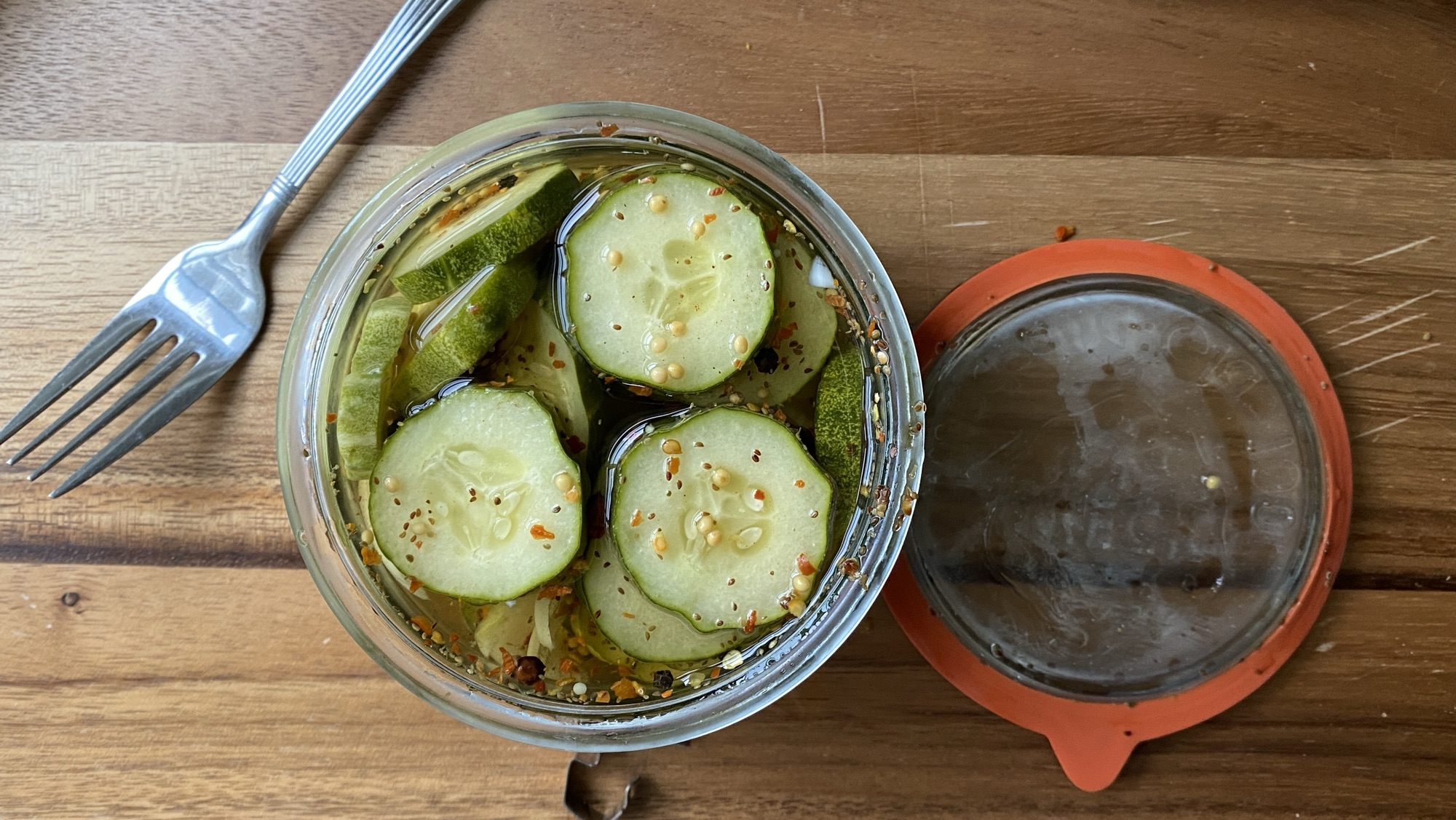
Old-fashioned refrigerator pickles made with fresh cucumbers and onions

How to Make Old-Fashioned Refrigerator Pickles in Weck Jars: A Southern Summer Staple

This recipe is part of my Old Fashioned Summer Saturdays series, a weekly look at timeless summer traditions, seasonal recipes, and vintage-inspired living. This week, we’re in the garden, putting those homegrown cucumbers to good use with a classic refrigerator pickles recipe…no canning required!

If you’ve ever grown cucumbers in your garden, you know how quickly they multiply. This easy refrigerator pickle recipe is my favorite way to preserve them without needed a canner, water bath, or any special tools. It’s fast, crisp, and full of flavor. Whether you’re a beginner or a seasoned gardener, you’ll love this vintage-inspired method.

Why I love this method:

  • No canning, no fuss. Plus it’s a great way to use homegrown produce.
  • This is a modern take on a timeless tradition.
  • There are no daunting tasks.
  • This recipe is easily adaptable and hard to mess up!

Supplies You’ll Need (affiliate links)

Recipe (keep reading for more details)

Old-fashioned refrigerator pickles made with fresh cucumbers and onions
Abby Smolarsky | Belle Antiquarian

Old-Fashioned Refrigerator Pickles

A no-canning refrigerator pickle recipe using fresh cucumbers and classic Southern flavors. Crisp, sweet-tangy, and easy to make; no special equipment required.
Prep Time 14 minutes
Additional Time 2 days
Total Time 2 days 14 minutes
Servings: 4 servings
Course: Side Dish
Cuisine: American, Southern

Ingredients
  

  • 4 medium cucumbers, thinly sliced
  • 1 Vidalia onion, thinly sliced
  • 2 cups white vinegar
  • 1 cup granulated sugar
  • 1 Tbsp kosher salt
  • 1 tsp mustard seeds
  • 1 tsp celery seeds
  • ½ tsp black pepercorns
  • ½ tsp crushed red pepper flakes
  • ½ clove of garlic per jar, peeled

Equipment

  • Clean mason jars or Weck jars
  • Sharp knife
  • Cutting board
  • Measuring cups and spoons

Method
 

  1. In a large bowl or measuring cup, whisk together the vinegar, sugar, salt, mustard seeds, celery seeds, black peppercorns, and red pepper flakes until the sugar and salt dissolve.
  2. Add the sliced cucumbers and onion to the brine, stirring to coat evenly.
  3. Place ½ garlic clove into each clean jar.
  4. Transfer the cucumber mixture into the jars, pressing gently to remove air bubbles and ensure the vegetables are fully submerged.
  5. Seal the jars tightly to refrigerate for at least 24 hours; for best flavor, allow 48 hours before serving.
  6. Shake the jars gently every few hours during the first day to distribute the seasonings evenly.

Notes

This is a small batch recipe and will typically fill 2-3 jars. If you have additional cucumbers or jars, simply prepare more brine to fully cover the vegetables. 

How to Customize Your Pickles

There is no end to the flavor combinations that you can create. Today I used radishes and cool-jalapenos (Yep, they’re a thing) to some of the jars for a few different flavor combinations. If you have a lot of extra okra, then you could pickle okra instead of cucumbers. Don’t have a Vidalia onion on hand? Use a red onion, or even swap out the white vinegar for apple cider vinegar. This recipe is very flexible!

Storage Tips

Wait about 48 hours for these pickles to achieve their peak flavor, but don’t wait too long to enjoy eating them. Since they don’t have preservatives or an airtight seal, they need to be enjoyed within a month. Keep them stored in the refrigerator, and always use a clean utensil when serving them to avoid contamination.

Whether you’re overrun with cucumbers or just looking for a way to savor summer, these easy pickles are a delicious and practical solution. If you give this recipe a try, tag me on Instagram or pin this post to save it for later! (Looking for the exact tools and products that I used? Find them HERE.)

Explore More from Old-Fashioned Summer Saturdays

This article is part of my Old-Fashioned Summer Saturdays series, where I share timeless inspiration for warm-weather living. Be sure to check out these reader favorites:

Timeless Red, White, and Blue Decor Ideas for the Porch
Heirloom Tomato Dreams
Classic Summer Whites: Timeless Linen Dresses and Southern Style Staples
Simple Garden Joys
Creating a Cozy Summer Reading Spot
Old-Fashioned Strawberry Shortcake Cake
Blue and White China for Summer Entertaining

You can subscribe here to receive new articles, seasonal inspiration, and vintage-style favorites delivered right to your inbox.

Southern Garden Sangria: A Vintage-Inspired Summer Sip

There’s something about a Southern summer that invites slow afternoon, porch swings, and a glass of something cold in hand. This Southern Garden Sangria is my take on a warm weather classic, inspired by vintage garden parties, worn recipe cards, and the kind of fruit-filled drinks our grandmothers might have made from what they had growing in the yard.

Why This Sangria Feels Special

This isn’t the overly sweet sangria you may have had at a chain restaurant. This version is subtle, fragrant, and anchored by summer’s best fruits.

The addition of peach schnapps adds a soft floral note that pairs beautifully with ripe peaches, blueberries, and a handful of mint that I grow out on my sleeping porch.

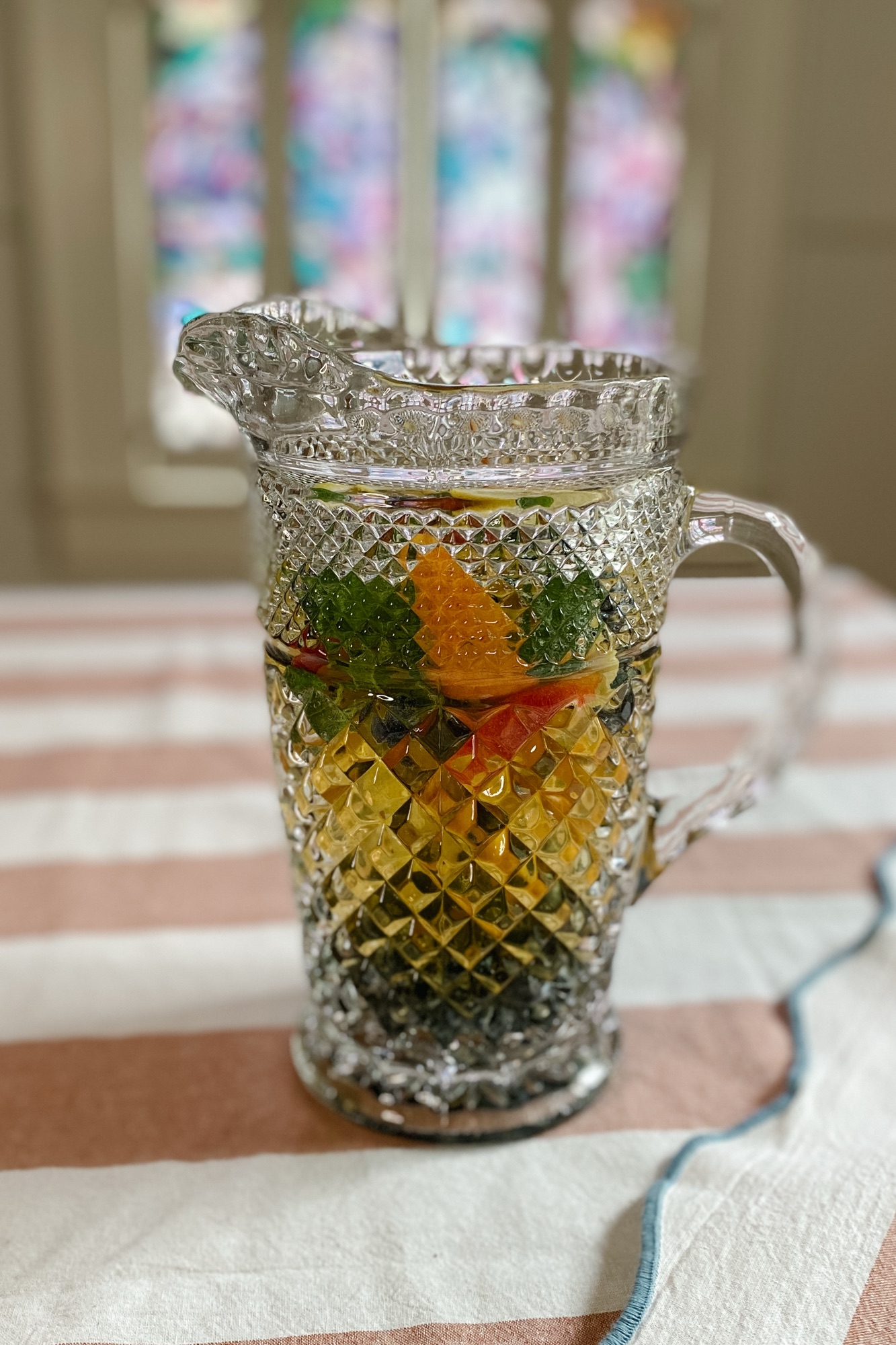
And while you can absolutely serve it in a mason jar, I love to pour it into these vintage inspired glasses. It turns even a weeknight sip into something memorable.

Fresh summer fruit perfect for a southern garden sangria

Southern Garden Sangria

  • Servings: 6-8
  • Difficulty: easy
  • Print

This sangria uses seasonal fruits and herbs, nodding to vintage garden gatherings and Southern flavors.

Credit: BelleAntiquarian.com

Ingredients

  • 1 bottle dry white wine (I am using a dry Riesling.)
  • 1/2 cup peach schnapps
  • 1/4 cup bourbon (for extra Southern charm)
  • 1 ripe peach, sliced
  • 1/2 cup blueberries
  • 1/2 lemon, thinly sliced
  • A handful of fresh mint
  • Sparkling water or club soda, to top

Directions

  1. In a large pitcher, combine wine, liqueur, and bourbon
  2. Add sliced fruits and mint. Stir gently.
  3. Refrigerate for at least 2 hours (overnight is even better).
  4. Just before serving, top with sparkling water for a bit of fizz.
  5. Serve over ice in your prettiest glasses. Garnish with more fresh mint or edible blooms if you’d like.

Entertaining Tip: Serve It in Something Beautiful

I always say, “The glass matters.” Pull out the vintage stemware, even if it’s just for yourself. Here are a few favorites you can find online:

vintage glass pitcher with a beautiful southern garden sangria

(affiliate links – thank you for supporting Belle Antiquarian!)

Make It Your Own

This sangria is forgiving. Use what’s in season or growing near you. Swap the peaches for plums, or the blueberries for strawberries. Add a splash of rose instead of white wine. The beauty is in the mix.

Save and Share

If you make this sangria, I’d love to see! Tag me on Instagram @BelleAntiquarian so I can raise a glass with you from afar.

Looking for more vintage-inspired recipes or hosting ideas? Subscribe using the box below for new articles straight to your inbox. (You can unsubscribe at any time.)

Essential Books for Cut Flower Gardening Success

This article contains ads and commissionable links.

We’re nearing the end of October, and most people aren’t thinking about flowers and sunshine. However, if you want to have a bounty of cut flowers this spring and summer, now is the time to plan. In some cases, now is the time to get seeds and plants into the ground.

Spring Flowers of Larkspur and Aster used to decorate for Easter

There are many excellent resources on the internet to use when you’re planning a flower garden. But in my opinion, nothing beats a book in hand. There’s something about an actual book that is just inspirational and motivational. I have quite a few gardening books on my bookshelf, but today I want to share just a few of the flower gardening books that have become my favorites over the years. You can find the entire list as a group in my LTK storefront, or you can click the individual titles below to be taken directly to the website.

The Little Book of Cut Flower Gardening This is a small, but surprisingly helpful little book. It would make a great gift for someone just starting their flower growing journey. It gives applicable tips, and at the end gives a brief overview of some commonly grown cut flower varieties.

Peonies for Perpetual Profit Even if you aren’t planning to grow peonies for profit, and most people aren’t, this book gives valuable knowledge for growing peonies successfully. It also gives a list of peony varieties and descriptions so that you can choose the varieties best suited for your own garden.

In Bloom Is an excellent book for going a little deeper into the types of flowers you should grow for a well-rounded bouquet. It explains different shapes of flowers in a bouquet, varieties of flowers, and containers to arrange flowers in.

Seasonal Flower Arranging: Fill Your Home with Blooms, Branches, and Foraged Materials All Year Round This is a stunning book filled with gorgeous inspirational photos and valuable insight. One of my favorite things about this book are pages that read like recipes that can be helpful for pulling together a bouquet similar to the ones pictured.

The Flower Farmer: An Organic Grower’s Guide to Raising and Selling Cut Flowers If you’re becoming serious about cut flower gardening and want to consider selling them, this is the book for you. The book details farming practices, different ways to make income with flowers, and testimonials from successful people in the industry. There is an immensely valuable resource guide at the end for everything from where to buy buy everything from seeds to refrigeration.

The Complete Language of Flowers: A Definitive and Illustrated History This is a flower dictionary, of sorts. It details flowers and their scientific names, while also providing symbolic meanings, folklore, and facts related to each one.

The Cutting Garden: Growing and Arranging Garden Flowers An excellent resource for people who enjoy cutting their own flowers and making floral arrangements. Included are tips for how to pull together arrangements by season and color.

Martha Stewart’s Gardening: Month by Month Of all of the books on my gardening shelf, this one provides the most inspiration. I would buy it again, just for the illustration on the inside cover. This is my favorite book on the list!

Martha’s Flowers: A Practical Guide to Growing, Gathering, and Enjoying This book provides information for how and when to plant and harvest, tips for arranging, and other helpful advice. Not to mention there are pages of beautiful, inspirational photos of Martha’s home.

Arranging Flowers – The Best of Martha Stewart Living This is another inspirational book by Martha Stewart. This is for the home flower gardener that wants to grow and create simple home arrangements, often only using one or two types of flowers in them.

I enjoy reading and learning more about flowers. If you have a favorite flower gardening or floral arranging book, please leave me a comment below.

Happy gardening!

Abby

Creating the Perfect Flower Garden Plan

This article contains commissionable links and ads.

Today I am sharing my plans for a flower garden, how I chose the flowers that I’m planting, and when I will be planting them. I will be sharing the whole list of plant and seed varieties that I am using, in case you would like to use them as well.

Save on Seeds

There are many factors to consider when starting a flower garden. The main ones that I focused on for my garden were growing zone, sun exposure, color scheme, and height of plants. My growing zone is 8a. It’s important to know what your growing zone is because it will determine the earliest and latest dates that you can successfully plant and get the best results. It will also indicate if you need to put your plants in during the fall or the spring. If you don’t know what your growing zone is, you can check the Farmer’s Almanac website or the USDA website.

Next you will need to know what type of sun exposure your garden bed will have. My garden bed is “full sun.” You can figure out what type of sun exposure your garden bed gets by simply seeing how much shade it gets throughout the day. Most flowering plants like to be in the sun.

After finding your growing zone and sun exposure, it’s time to decide what type of flowers you want to plant. One suggestion that I have for creating a beautiful garden is to decide on a color scheme. Just like interior rooms look more cohesive with a set color scheme, garden beds do as well. I decided to use a color scheme of purple, yellow, and white. This is a complementary color scheme because purple and yellow are directly across from each other on a color wheel. In gardening, green and white are considered neutral colors, so white flowers in my bed will be “neutral.”

Just a note about red: For those that love red flowers, if you want a complementary color scheme, your garden colors will be red and white flowers with green foliage, since green is the complementary color to red. Another color scheme that looks nice is red, white, and blue. A monochromatic color scheme with reds, oranges, and pinks is also one to consider, although it’s not my personal favorite.

Okay, after I chose my color scheme of purple, yellow, and white, I then looked at height of plants. I wanted the tallest plants to be in the back and the shortest plants to be in the front. This way none of the flowers are hidden, and taller or “leggier” plants have their stems hidden by the shorter row of flowers in front of them. Something else I looked at was when each plant would be blooming during the season. If everything turns out like I planned, I should have at least one type of flower blooming from early spring through late summer.

This is one of the spaces I am using for a flower garden. This space gets full sun. Everything that I’m planting in the fall will be planted here. I’ve added 6 bags of manure and completely turned the soil over to prepare it for seeds and tubers.

What I’m planting this fall, so that it will be ready to flower in the spring:

  • Allium Gladiator, purple, 40″ tall, perennial
  • Peony, Festiva Maxima, white, 39″, perennial
  • Itoh Peony, Bartzella, yellow, 24-36″, perennial
  • Canterbury Bells, Campana Lilac, purple, 30-34″, biennial
  • Allium Mount Everest, white, 30″ tall, perennial
  • Stock Seeds, Miracle Blue Mid, purple, 24-30″, annual
  • Allium Purple Sensation, purple, 28″, perennial
  • Yarrow, The Pearl, white, 16″, perennial
  • Alyssum, Basket of Gold, yellow, 8-12″, perennial

As you can see, most of these plants are perennials, so they come back each year.

In the spring, I will be planting the rest of my seeds, which are all annuals. These are going to be in a separate, but adjacent, flower bed.

  • Cosmos, Double Click, purple, 36-42″
  • Zinnia, Benary Giant White, white, 36-40″
  • Zinnia, Isabellina, yellow, 36″
  • Snapdragon, Snowflake, white, 36″
  • Love in a Mist, Orientalis Transformer, yellow, 28″
  • Snapdragon, Madame Butterfly, yellow, 24-30″
  • Cosmos, Xanthos, yellow and white, 20-24″
  • Love in a Mist, Blue, blue, 18-24″

I purchased all of my flowers from Eden Brothers. The Eden Brothers website is very use friendly. You can filter by all of the things I mentioned in this article – color, growing zones, perennial, and so on. When your seeds arrive they will have a QR code to get specific instructions. I also received a link via email with helpful information for most of the flowers that I ordered.

Save on Seeds

I’ll update this article with photos of my blooms in a few months. In the meantime, please let me know below if you have any questions!

Garden Update: 3 Sisters Garden & Square Foot Garden

This article contains commissionable links and ads.

Quick Update! Back in March I posted my garden plans using the 3 Sisters Method, as well as some square foot gardening. I thought I’d post some pictures so that you could see how it grows in, and also so that you could visualize how it all works out. To see the original post with the garden plans, go HERE.

Save on Seeds

Here’s an update on how the 3 Sisters Garden comes together:

3 Sisters Garden
To see any photo larger, just click on it!

I did end up supporting the corn with some garden stakes. We had a few days of heavy rain and wind, and it fell over. I am really enjoying the nasturtium this year. I’ve never grown it before. The leaves as well as the flowers are pretty. And then there’s the fact that it does double duty keeping pests away.

Nasturtium at dusk after rain.

Here you can see the beans climbing up the corn…those 3 sisters!

Here’s a view of one of my square foot garden beds:

Original garden plan found HERE.
To view any photo larger, just click on it!

So far. so good! Everything is coming in nicely. We’ve already eaten a bunch of the lettuce. One night I wanted to make tacos, but had forgotten lettuce. Then I realized I had lettuce in the backyard. Perfect!
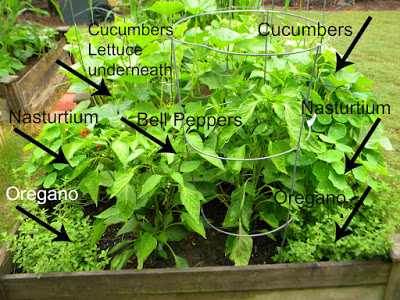
Here is how I train the cucumbers to grow vertically:

I also use twist ties left over from bread bags. Be careful not to break off the heads of the vines!
Pretty soon the cucumbers will be ready!

Thanks for stopping by! Happy gardening to you!

Save on Seeds