
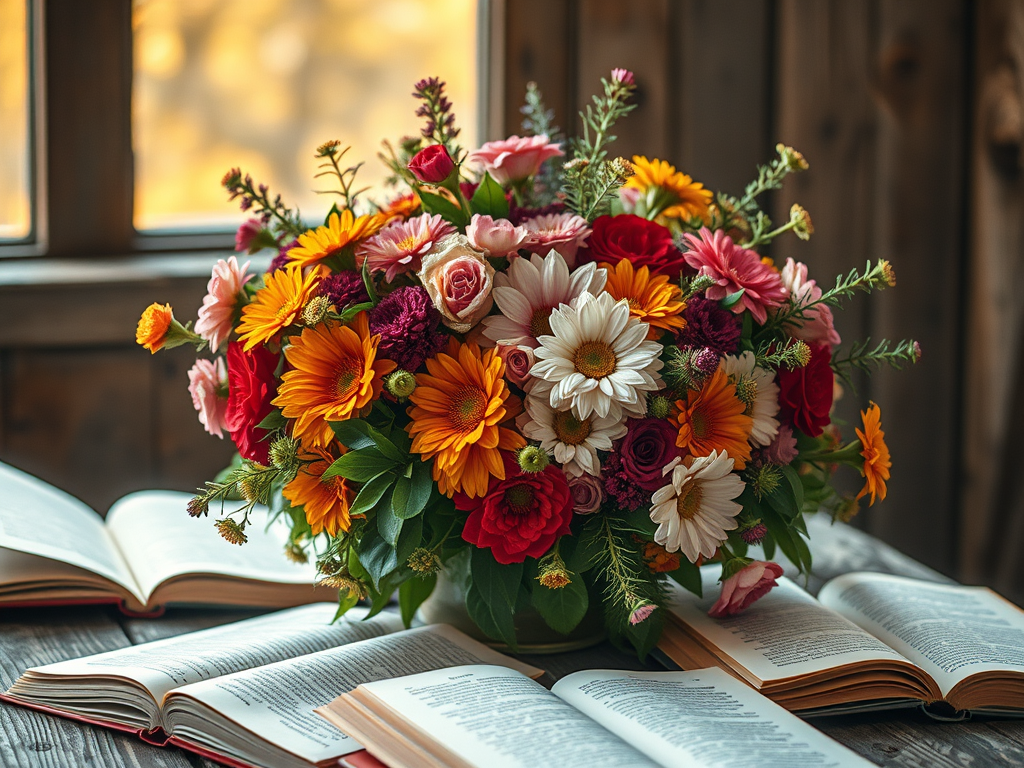
Essential Books for Cut Flower Gardening Success

This article contains ads and commissionable links.

We’re nearing the end of October, and most people aren’t thinking about flowers and sunshine. However, if you want to have a bounty of cut flowers this spring and summer, now is the time to plan. In some cases, now is the time to get seeds and plants into the ground.

Spring Flowers of Larkspur and Aster used to decorate for Easter

There are many excellent resources on the internet to use when you’re planning a flower garden. But in my opinion, nothing beats a book in hand. There’s something about an actual book that is just inspirational and motivational. I have quite a few gardening books on my bookshelf, but today I want to share just a few of the flower gardening books that have become my favorites over the years. You can find the entire list as a group in my LTK storefront, or you can click the individual titles below to be taken directly to the website.

The Little Book of Cut Flower Gardening This is a small, but surprisingly helpful little book. It would make a great gift for someone just starting their flower growing journey. It gives applicable tips, and at the end gives a brief overview of some commonly grown cut flower varieties.

Peonies for Perpetual Profit Even if you aren’t planning to grow peonies for profit, and most people aren’t, this book gives valuable knowledge for growing peonies successfully. It also gives a list of peony varieties and descriptions so that you can choose the varieties best suited for your own garden.

In Bloom Is an excellent book for going a little deeper into the types of flowers you should grow for a well-rounded bouquet. It explains different shapes of flowers in a bouquet, varieties of flowers, and containers to arrange flowers in.

Seasonal Flower Arranging: Fill Your Home with Blooms, Branches, and Foraged Materials All Year Round This is a stunning book filled with gorgeous inspirational photos and valuable insight. One of my favorite things about this book are pages that read like recipes that can be helpful for pulling together a bouquet similar to the ones pictured.

The Flower Farmer: An Organic Grower’s Guide to Raising and Selling Cut Flowers If you’re becoming serious about cut flower gardening and want to consider selling them, this is the book for you. The book details farming practices, different ways to make income with flowers, and testimonials from successful people in the industry. There is an immensely valuable resource guide at the end for everything from where to buy buy everything from seeds to refrigeration.

The Complete Language of Flowers: A Definitive and Illustrated History This is a flower dictionary, of sorts. It details flowers and their scientific names, while also providing symbolic meanings, folklore, and facts related to each one.

The Cutting Garden: Growing and Arranging Garden Flowers An excellent resource for people who enjoy cutting their own flowers and making floral arrangements. Included are tips for how to pull together arrangements by season and color.

Martha Stewart’s Gardening: Month by Month Of all of the books on my gardening shelf, this one provides the most inspiration. I would buy it again, just for the illustration on the inside cover. This is my favorite book on the list!

Martha’s Flowers: A Practical Guide to Growing, Gathering, and Enjoying This book provides information for how and when to plant and harvest, tips for arranging, and other helpful advice. Not to mention there are pages of beautiful, inspirational photos of Martha’s home.

Arranging Flowers – The Best of Martha Stewart Living This is another inspirational book by Martha Stewart. This is for the home flower gardener that wants to grow and create simple home arrangements, often only using one or two types of flowers in them.

I enjoy reading and learning more about flowers. If you have a favorite flower gardening or floral arranging book, please leave me a comment below.

Happy gardening!

Abby
Creating the Perfect Flower Garden Plan

This article contains commissionable links and ads.

Today I am sharing my plans for a flower garden, how I chose the flowers that I’m planting, and when I will be planting them. I will be sharing the whole list of plant and seed varieties that I am using, in case you would like to use them as well.

Save on Seeds

There are many factors to consider when starting a flower garden. The main ones that I focused on for my garden were growing zone, sun exposure, color scheme, and height of plants. My growing zone is 8a. It’s important to know what your growing zone is because it will determine the earliest and latest dates that you can successfully plant and get the best results. It will also indicate if you need to put your plants in during the fall or the spring. If you don’t know what your growing zone is, you can check the Farmer’s Almanac website or the USDA website.

Next you will need to know what type of sun exposure your garden bed will have. My garden bed is “full sun.” You can figure out what type of sun exposure your garden bed gets by simply seeing how much shade it gets throughout the day. Most flowering plants like to be in the sun.

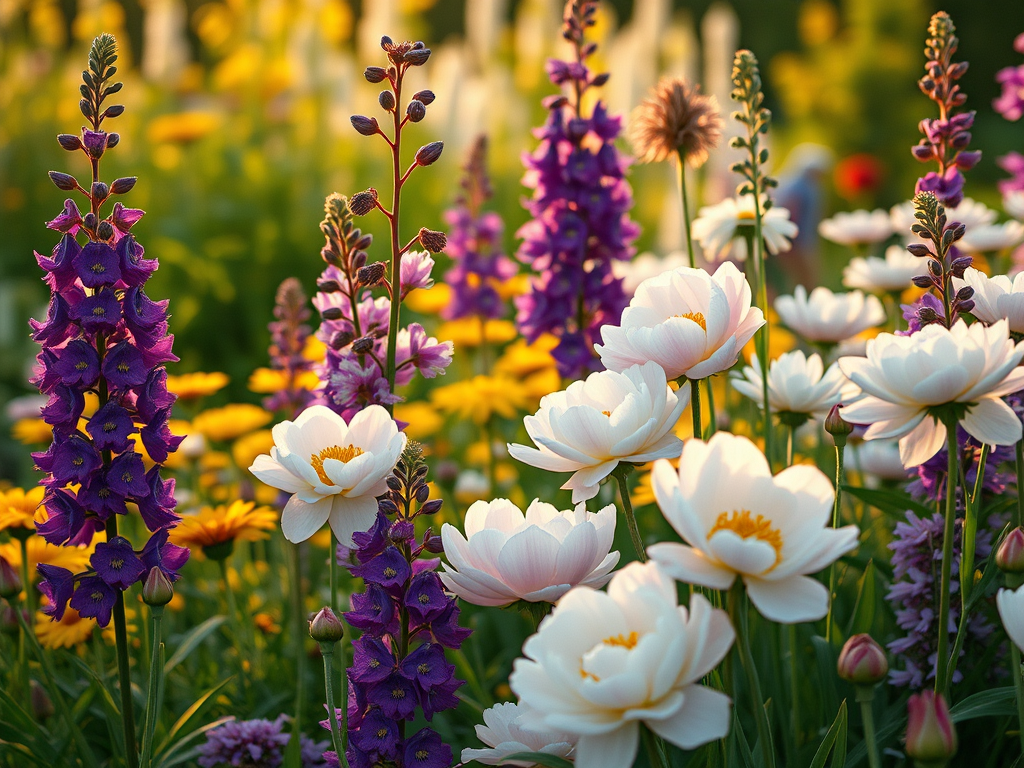
After finding your growing zone and sun exposure, it’s time to decide what type of flowers you want to plant. One suggestion that I have for creating a beautiful garden is to decide on a color scheme. Just like interior rooms look more cohesive with a set color scheme, garden beds do as well. I decided to use a color scheme of purple, yellow, and white. This is a complementary color scheme because purple and yellow are directly across from each other on a color wheel. In gardening, green and white are considered neutral colors, so white flowers in my bed will be “neutral.”

Just a note about red: For those that love red flowers, if you want a complementary color scheme, your garden colors will be red and white flowers with green foliage, since green is the complementary color to red. Another color scheme that looks nice is red, white, and blue. A monochromatic color scheme with reds, oranges, and pinks is also one to consider, although it’s not my personal favorite.

Okay, after I chose my color scheme of purple, yellow, and white, I then looked at height of plants. I wanted the tallest plants to be in the back and the shortest plants to be in the front. This way none of the flowers are hidden, and taller or “leggier” plants have their stems hidden by the shorter row of flowers in front of them. Something else I looked at was when each plant would be blooming during the season. If everything turns out like I planned, I should have at least one type of flower blooming from early spring through late summer.

This is one of the spaces I am using for a flower garden. This space gets full sun. Everything that I’m planting in the fall will be planted here. I’ve added 6 bags of manure and completely turned the soil over to prepare it for seeds and tubers.

What I’m planting this fall, so that it will be ready to flower in the spring:

  • Allium Gladiator, purple, 40″ tall, perennial
  • Peony, Festiva Maxima, white, 39″, perennial
  • Itoh Peony, Bartzella, yellow, 24-36″, perennial
  • Canterbury Bells, Campana Lilac, purple, 30-34″, biennial
  • Allium Mount Everest, white, 30″ tall, perennial
  • Stock Seeds, Miracle Blue Mid, purple, 24-30″, annual
  • Allium Purple Sensation, purple, 28″, perennial
  • Yarrow, The Pearl, white, 16″, perennial
  • Alyssum, Basket of Gold, yellow, 8-12″, perennial

As you can see, most of these plants are perennials, so they come back each year.

In the spring, I will be planting the rest of my seeds, which are all annuals. These are going to be in a separate, but adjacent, flower bed.

  • Cosmos, Double Click, purple, 36-42″
  • Zinnia, Benary Giant White, white, 36-40″
  • Zinnia, Isabellina, yellow, 36″
  • Snapdragon, Snowflake, white, 36″
  • Love in a Mist, Orientalis Transformer, yellow, 28″
  • Snapdragon, Madame Butterfly, yellow, 24-30″
  • Cosmos, Xanthos, yellow and white, 20-24″
  • Love in a Mist, Blue, blue, 18-24″

I purchased all of my flowers from Eden Brothers. The Eden Brothers website is very use friendly. You can filter by all of the things I mentioned in this article – color, growing zones, perennial, and so on. When your seeds arrive they will have a QR code to get specific instructions. I also received a link via email with helpful information for most of the flowers that I ordered.

Save on Seeds

I’ll update this article with photos of my blooms in a few months. In the meantime, please let me know below if you have any questions!