Bringing Spring Indoors with Simple Branch Arrangements
When spring arrives, you’re likely to find something unusual in my car. Open the glove box, and you’ll find a pair of bypass pruners tucked between a stack of old church bulletins and a handful of well-used lip glosses.
Don’t mistake these garden tools for personal protection, but as a sign of the season. Across the South, branches are just beginning to bud, and it becomes second nature to keep pruners close at hand.
In this region, flowering trees and woody perennials offer some of the most beautiful materials for spring floral arrangements. When branches are cut just before they bloom and brought indoors, they make a big impact that can rarely be replicated with store-bought flowers.
A row of bright yellow forsythias in the yard may draw attention outdoors, but a few thoughtfully clipped branches can create an even more remarkable display inside your home.
This article may contain affiliate links. If you choose to shop through them, I may earn a small commission at no additional cost to you.
Why Branches Make the Most Beautiful Spring Floral Arrangements
We love a decorative moment created by a dainty vase filled with early spring daffodils, but have you met her flamboyant older sister, the blooming branches? Budding branches cut from the yard to bloom inside make a dramatic statement to take center stage in your spring décor.
Blooming branches are perfect for spring floral arrangements for a variety of reasons. These stems can be displayed on their own as a complete flower arrangement, or used to create structure when paired with additional flowers and greenery.
When cut and cared for properly, branch arrangements can last for weeks in your home. These blooms are longer lasting than many of the cut flowers found in other spring flower arrangements.
We think the top reason to love blooming branches in an arrangement is that they’re cost effective. You can often cut them from your own yard or a friend’s for free.
With just a few branches, you can create an arrangement that feels both effortless and intentional.
The Best Flowering Branches for Spring Arrangements
If you’re deciding which plants will provide you with beautiful flowers, keep an eye out for these showy bloomers in your yard or local nursery.

Eastern Redbud Tree
The Eastern Redbud tree can be found in many areas of the United States. It’s extremely successful in the southeastern region, and it’s one of the first signs of spring in the South.
The Eastern Redbud has showy flowers in various shades of magenta pink. It’s a striking choice when you want an arrangement that feels both seasonal and distinctive.
Forsythia
Forsythia is a woody shrub often seen used in borders, roadways, and city parks. The bright yellow flowers are unmistakable.
Forsythia is one of the earliest bloomers, sometimes called “Easter tree.” If you want to force Forsythia buds to bloom indoors, you’ll need to start looking for buds very early in the season.
Japanese Cherry Tree
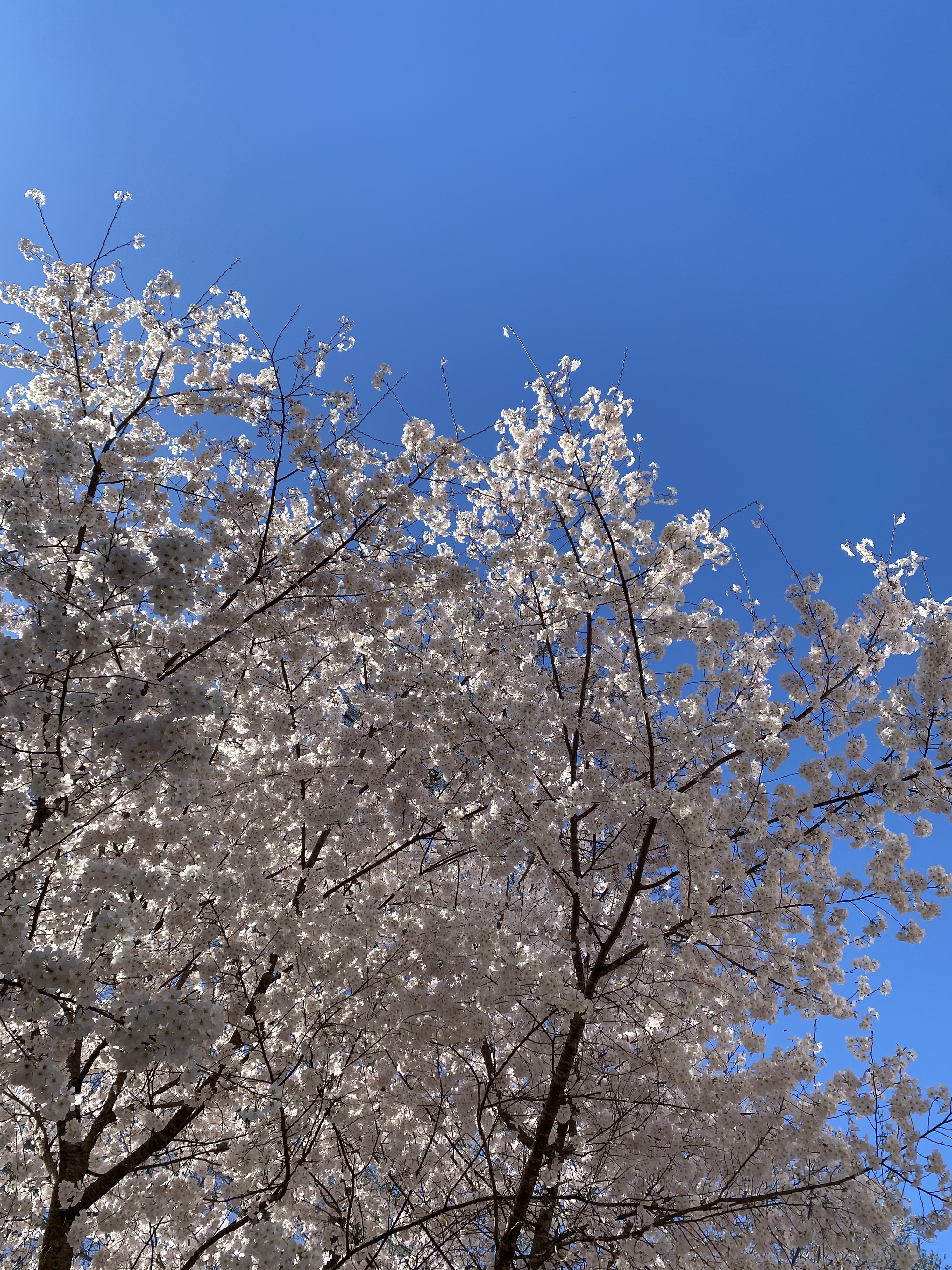
Cherry blossoms are synonymous with spring throughout the world. The blooms can vary from pale to saturated pink.
Japanese cherry trees bloom sometime between March and April. In our experience, these are especially long lasting when forced indoors.
Dogwood Tree
These native trees are often found at the edges of wooded areas. You may not even know you have one in your yard until it blooms in spring.
Dogwood blooms can be seen in varying shades from creamy white to bright pink. The stems tend to be more delicate than others on this list, giving arrangements a softer, more relaxed shape.
Magnolia
Magnolia is often associated with summer blooms in the South. However, there are many spring blooming cultivars.
Look for varieties such as ‘Jane,’ ‘Ann,’ and ‘Butterflies’ if you’re selecting a spring-blooming tree for your garden.
A Note from the Garden
Another favorite bloomer that works well to force indoors is Spirea. These delicate and airy blooms are a wonderful addition to your spring floral arrangements.
One to avoid: We advise against using Bradford Pear. While beautiful, the blooms create an offensive fish-like odor. This invasive tree is structurally weak and not one to include in your garden.
How to Force Flowering Branches in Early Spring Arrangements
Once you’ve identified a spring blooming tree or shrub in your yard, there are just a few simple steps before you can enjoy them indoors.

Choose branches before they bloom.
Depending on when your buds bloom naturally outdoors, start looking at your branches in late winter to early spring. Once you see buds are fully formed, it’s time to cut your branches.
Cut with intention.
There are a few things to consider when deciding which branches to cut. Look for small, healthy branches with an abundance of buds on them. Avoid cutting branches larger than appropriate for your vessel. Take cuttings from several areas of the plant so that you don’t cause damage or create a noticeable hole.
Using sharp pruners, create a clean, angled cut on your stem. Doing so will prevent damage to the host plant and give your buds a healthy start in the vase.
Bring them into warm water.
To encourage your buds to bloom, place them into slightly warm or room temperature water. Avoid giving them water that is too hot or cold. Give your branches fresh water every few days.
Encourage the branches to open.
A variety of methods can be used to encourage your branches to open. One method is to use your pruners to create a vertical split at the end of each stem. Another method is to use a floral hammer to lightly crush the end of each stem.
This step is optional, but it can help encourage the buds to open more quickly.
Give them time in the right place.
After you’ve cut your stems and placed them in water, find a nice spot away from direct light and heat. It may take anywhere from a couple of days to a couple of weeks, but with proper care and conditions, your buds will bloom indoors.
Once the branches begin to open, the arrangement itself becomes simple.
How to Create Easy Spring Flower Arrangements with Branches
Now that you’ve collected your spring blooming branches, there are a few simple steps to follow for a beautiful floral arrangement.

What You’ll Need
- Garden clippers or pruning shears
- A sturdy vessel; ironstone, glass, or ceramic
- Fresh water
- Optional – floral preservative
Step-by-Step Arrangement
Choose a vessel that supports the branches.
Your branches will be taller and heavier than flowers typically used in spring flower arrangements. Be sure to select a vase that will be able to support their height and weight without tipping over.
Trim branches to scale.
Compare the size of your vase to the length of your branches. You’ll want to make sure that buds are above and branching from the top of the vase.
Make a clean cut to shorten your branches to the ideal size for your particular vessel.
Clear the lower stems.
Using sharp pruners, trim away any lower stems, leaves, and buds that will be below the water line. Remove any bulky lower stems that will crowd the vase.
Start with your strongest branches.
Beginning with your biggest branches first, begin to place your strongest stems into the vase. Use several of these to create a structure that will support the smaller stems.
Layer naturally and step back.
After creating structure with your larger branches, begin filling in the arrangement with smaller stems.
Be sure to occasionally turn your vase to add stems at all angles. Step back regularly to look for any areas that need additional branches.
Styling Notes for a Natural Look
Due to the nature of spring blooming branches, your floral arrangement will likely have an organic, asymmetrical form. Look at your arrangement from a distance and determine if the shape is nicely arranged while keeping with the characteristics of the stems.
These types of spring floral arrangements should feel gathered, not arranged. Let the branches be the statement in your design.

Where to Style Spring Floral Arrangements in Your Home
Once your arrangement is complete, placement becomes just as important as the arrangement itself.
I enjoy placing a vase of cherry blossom branches on my kitchen counter. Since I’m in this room several times a day, I’m able to see the natural progression of the buds turning into beautiful flowers.
This year I created a spring flower arrangement for my Easter table. I purchased this extra-large vase recently, and it was the perfect vessel for an arrangement I created with some eastern redbud branches from my backyard.
We also enjoy bringing in some Japanese cherry buds to bloom on our fireplace mantel each year at the start of spring. They would even look beautiful on an entry table to impress your guests as they come in the door.

A Simple Way to Welcome Spring into Your Home
If you can look out your window and see branches beginning to bloom, you already have everything you need.
With a simple pair of pruners and a bit of patience, you can bring that same beauty indoors and enjoy it for weeks to come.
Flower arrangements don’t have to be expensive or difficult to be beautiful. A few carefully chosen branches can transform a room, bringing in a sense of the season that feels both natural and lasting.
If you enjoyed this article on how to create an early spring floral arrangement from your garden, you’re invited to stay awhile and read some of the other spring articles from Belle Antiquarian. Here are a few others we suggest:
A Beautiful Easter Table: How to Set a Class Spring Easter Table
The Southern Easter Menu: Classic Southern Easter Recipes for a Traditional Holiday Meal
How to Create a Thanksgiving Floral Arrangement
Fall Garden Prep: Essential Tasks for a Beautiful Start to Spring