The Collected Kitchen

Welcome

Ask anyone to share memories of their life with you, and they’re bound to share one or two that involve time spent in a kitchen. The scent of celery and onions softening in butter. The bowl that was used for everything from mixing a brownie batter to holding popcorn on movie night. Perhaps they’ll remember music playing on the radio as the dishes were washed. When we gather as a family or with friends, we always find ourselves in the kitchen, the hub of the home. It’s the place where stories are swapped, hands are busy, and hearts come home.

Welcome back to the next installment of Falling for Home: A Weekly Autumn Journal. We’ve reached the midpoint of the series, as we’re journeying our way through topics that are dedicated to timeless seasonal living, traditional Southern décor, and creating a home you love year-round. If you’re just joining me, or you found your way here from Google, Pinterest, or Instagram, you can find links to the other articles in the series at the bottom of this article.

What Is a Collected Kitchen?

A collected kitchen is one that is curated by a combination of preference, utility, and time. You could go online to Amazon, eBay, or Etsy to order a complete set of items to mimic the look. But a truly collected kitchen evolves from time spent discovering what works for you. A collected kitchen is created by picking up items here and there to create a space of function and beauty that is uniquely designed for you.

The true beauty of a collected kitchen is that it’s not staged. The crock on the counter is there because it’s used every time the stove is turned on. The plate hung on the wall holds a memory of weekend antiquing adventures or the grandma who passed it on.

A collected kitchen isn’t sterile or empty. Chances are, you won’t see it on your Pinterest page. The counters will likely have things on them. Because we are using what we find to be the most functional and beautiful, everything isn’t going to match. If you’re looking for a “model home aesthetic,” you won’t find it in a truly collected kitchen. It’s a kitchen that feels like the warm heart of a home, one that’s inviting, personal, and well-loved.

Cream on Cream: A Canvas for the Seasons

We recently restored our 1939 kitchen. During that time, we added some custom cabinetry, installed new countertops and backsplash, and updated the flooring. The one thing that stayed in the kitchen and became a springboard for my whole design was some existing cream-colored cabinetry. As I was designing the space, I really evaluated how I wanted to feel and how it would reflect my personal style.

Truth be told, the kitchen is sometimes an overwhelming and overstimulating space for me. While my family loves my cooking, and I’m often told that I am good at it, it can be stressful for me. I needed my kitchen to be a calm space. I intentionally stayed away from bold colors and stark contrasts between materials. Using various shades of cream, along with natural wood tones in accessories, I created a space that allows me to cook in peace.

Another reason that I chose a monochromatic cream color palette was that it created a canvas for seasonal flexibility. I can mix in and swap out seasonal décor easily because I have a neutral backdrop. In fall, copper pieces warm the kitchen with a soft glow. During the winter holidays I can easily add some evergreen without clashing with anything. In spring, it’s easy to mix in pastel colors because they blend beautifully with the cream canvas that I created.

Objects That Work—and Tell a Story In My Collected Kitchen

Over the years I have found ironstone pitchers in various shapes and sizes. Some of them are the color of parchment paper with brown crazing that has deepened over time. Others, while over 50 years old, look almost new. I group them together to fill display spaces in our cabinetry, but I often get them down to use for floral arrangements or orange juice on a Sunday morning. As a group, in various shades of white and cream, they become functional art.

Through our glass cabinet doors, you can see stacks of milk glass mixing bowls and antique Ball jars. These don’t sit in storage behind glass as museum pieces that are too precious to use. Any time I’m baking, I’ll use either my vintage milk glass mixing bowls or my favorite yellow-ware bowls. The milk glass bowls are extremely thick and were made for durability that is non-existent today. I’ve actually dropped one on the kitchen floor, and it didn’t break!

An old plate rack that I picked up for $10 holds plates and platters that we use for meals. On top of the refrigerator, I keep an extra large wicker basket, which holds seasonal linens and works to fill a void between the top of the refrigerator and our tall ceilings. These natural elements add texture, warmth, and patina to create an authentically lived-in space.

The Working Kitchen Philosophy

We’ve all been in kitchens that are stark white with not a single thing on the counters. Or maybe you’ve seen a kitchen with open shelves that are full of framed photos and knick-knacks, but not a single cooking utensil. I can only wonder how much memory-making is being done in these kitchens. Are little hands making messes with flour while “helping” with the cookie dough? Are teenagers gathering to try their hand at cooking late at night?

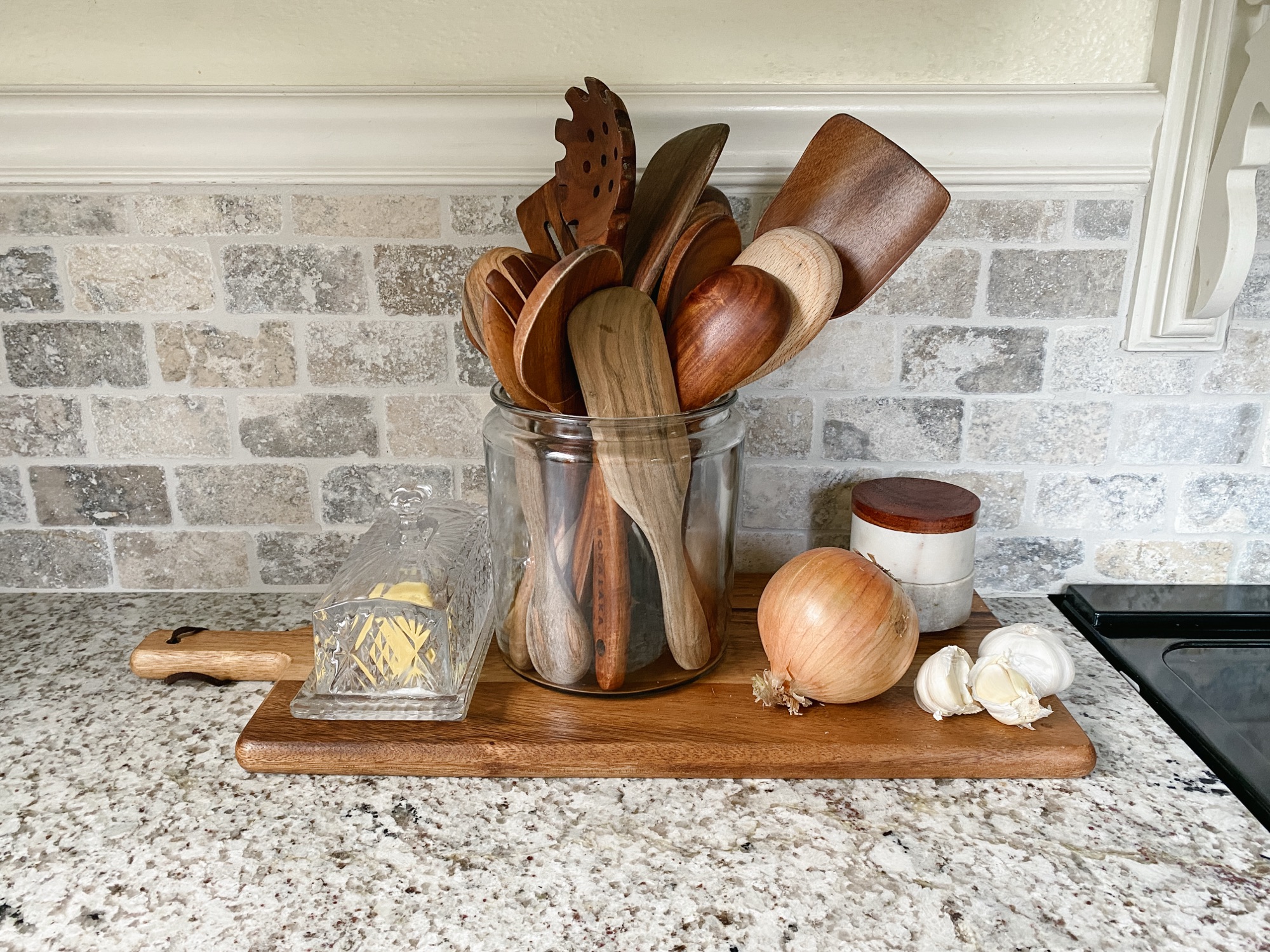
When I look at the crock of wooden utensils next to my stove, I can tell which ones are the most used. My favorite spatula is worn smooth and the wood has lightened from years of washing it. It represents hundreds of meals cooked for family and friends – random Mondays and special Thanksgivings, nights after winning the game and mornings after being up with a sick baby.

A working kitchen is going to show signs of use, and I’m wondering when that began to be a source of shame. Why are we worried about being judged for using the most functional room in our homes?

Items I use daily for cooking are kept right next to the stove.

Paint Palette: The Warmth of Neutral Ground

Throughout the Falling for Home series, I have been sharing paint palettes that reflect the theme of each article. The Collected Kitchen inspired me to share a palette with two warm neutral tones for the wall and trim colors, as well as an accent tone that is reminiscent of patinated copper or vintage pantry paint. This gentle palette lets your meaningful pieces take the spotlight.

Shop the Look

I’m often asked about the vintage and antique pieces in my home. They have truly been collected over the years. You don’t need a full antique collection to create charm, just a few timeless touches that work for your space. If you’re interested in starting your own collection, I’ve compiled a curated list of timeless kitchen essentials, similar to the ones I own. You can click HERE to explore this list on LTK, or you can click the collage below to shop this style.

An Invitation to Embrace Imperfection

It’s easy to feel like our kitchens aren’t good enough to invite others into them. Maybe you’re just starting out, or perhaps you’re worried about being judged about functional “clutter” in your kitchen. Have you hidden away Grandma’s bowl for safekeeping, or are you afraid you’ll scratch your biscuit tin? Maybe you’ve seen the perfect English kitchen on Instagram or the curated collage on Pinterest, and you don’t feel like yours measures up. Whether you have laminate countertops or soapstone (I wish!), your kitchen can be filled with functional and beautiful vintage and antique pieces that are meant to be used and enjoyed daily.

I want to remind you that your kitchen is more than how it’s decorated. It is the most used room in your home, and it holds memories and meaning. Your family and friends aren’t there to judge you by the plates your meals were served on. They’re going to remember the flavors they experienced, the conversations they had, and the memories they made. Don’t wait to start making those memories until you feel like your home is show-worthy. Send the invitation. Cook for your family.

Explore More from Falling for Home: A Weekly Autumn Journal

This article is part of my series called Falling for Home: A Weekly Autumn Journal. Be sure to check out these reader favorites:

You can subscribe here to receive new articles, seasonal inspiration, and vintage-style favorites delivered right to your inbox.

How to Style Vintage Blue and White China for Summer Entertaining

A Season of Graceful Gatherings

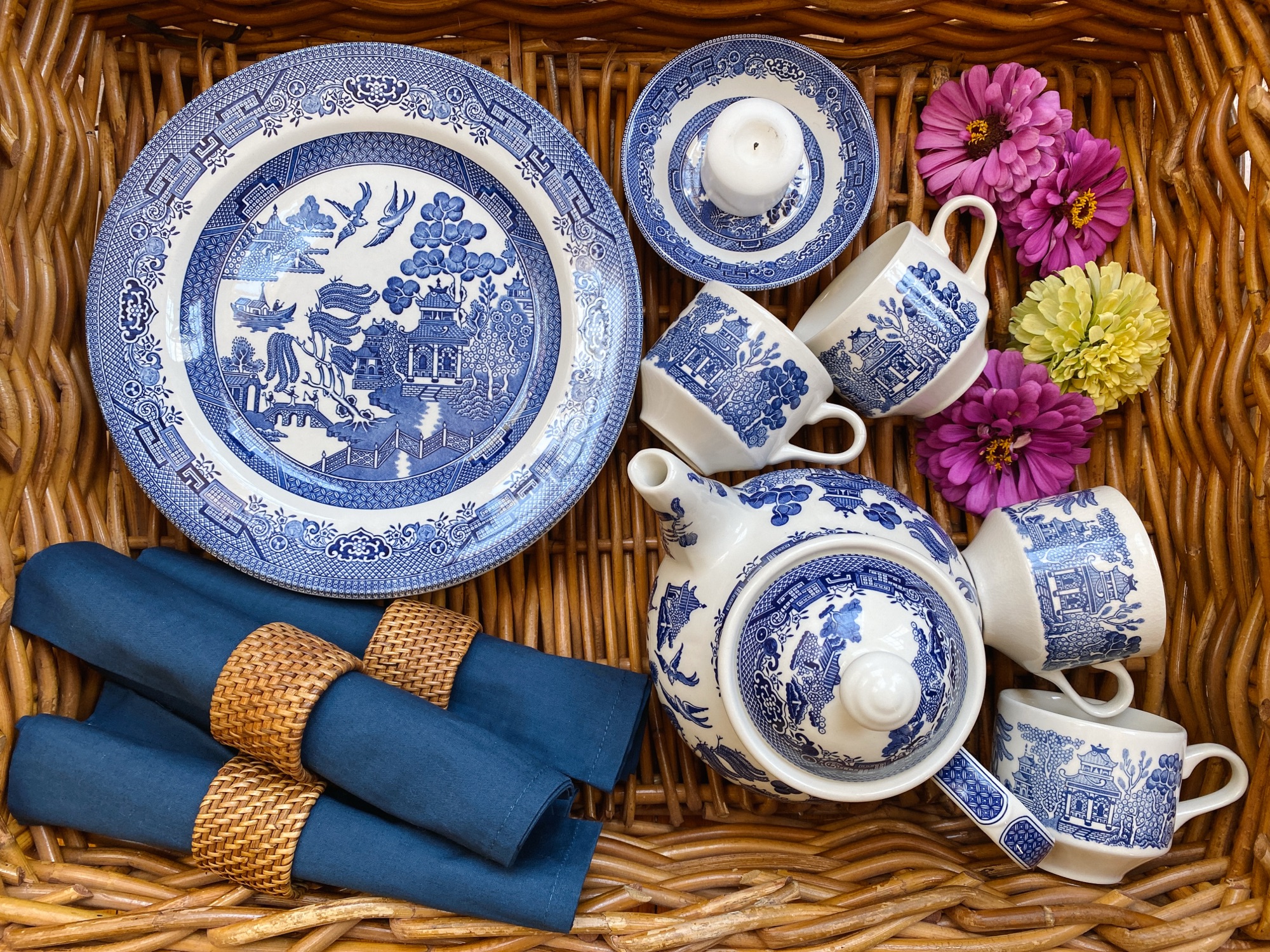
As I stand at the kitchen sink washing dishes after dinner, I notice that the light is fading just a few minutes earlier each day. The hands of autumn are stretching to steal the daylight hours as we creep closer to the start of a new season. I look down at the dish in my hands, a blue willow dinner plate, and I’m reminded that while our time this summer is slipping away, some things remain ageless, like my favorite blue and white dishes… always in style, always familiar.

Today is the final installment of the Old-Fashioned Summer Saturdays series. Over the past few weeks, we have touched on timeless summer traditions, seasonal recipes, and vintage-inspired living. I hope that I have inspired you to seek your roots and remember traditions. Although we live in a world moving at warp speed with innovations, we can enrich our lives in traditional ways to improve the quality of our daily living.

If you’ve found your way here via Pinterest, Google, or Instagram… welcome! I invite you to check out the other segments in this series, which can be found linked at the bottom of this article.

Why Blue and White Never Goes Out of Style

My soon-to-be-21-year-old daughter moved into a new apartment at school this fall, and I sent her off with a set of six blue willow dinner plates. Something that I love about Gen Z is their enthusiasm for thrifting and appreciation for vintage. Sam spent weeks browsing thrift and antique stores to furnish her home in her personal, unique style. She has the capability to go online and buy many of these things new, but she prefers to find pieces with a story, better quality materials, and (usually) a better price point. She took a set of blue willow dishes made by English Ironstone Transferware because of their weight and durability. We didn’t find anything modern that compared to the style and quality of these vintage plates.

If you’ve followed me on Instagram for a while, you’ve seen me use my Churchill Blue Willow plates time and time again. I have featured them at holidays like Christmas, Easter, Independence Day, and Thanksgiving. Today I want to show them to you in a different light, as they were meant to be: the quintessential everyday dinnerware. While I do love how beautiful my blue willow plates look in the china cabinet, they are everyday elegance that I encourage you to take out and use.

Summer Styling Tips with a Twist

If you love blue and white transferware, but you don’t know how to get started using it or how to integrate it into your everyday dinner service, I have several simple styling tips for you.

  • Any pattern of blue and white transferware pairs beautifully with natural textures like seagrass, rattan, and wicker. I like using my seagrass chargers and rattan napkin rings to help transform these dishes from feeling too precious to use, to becoming a part of your everyday elegance.
  • Something fun about blue and white transferware is that different patterns are often combined to create a full set. For example, Churchill Blue Willow and Myott Finlandia are two patterns that complement each other well. In addition, Staffordshire Liberty Blue and Meakin Blue Nordic make a nice combination. Pick up a plate here and there while you’re on your thrifting and antiquing adventures. It won’t be long before you have a complete set of blue and white dinnerware, and you’ll have a unique story for each piece.
  • Another way I like to incorporate pieces from my blue and white transferware collection is to use the larger serving bowls on my kitchen counter as fruit bowls. This way, they aren’t hidden away, and I get to enjoy them every day.

Invest Once, Use for a Lifetime

My first stop at any estate sale is the kitchen or dining room sideboard. I love to hunt for blue and white transferware to add to my collection, and maybe add a few to Sam’s collection too! Buying second hand is an approachable and affordable way to get started.

If I could go back and give myself some advice when I was just starting out, I would say to invest at the very beginning with dishes that are timeless and well made. Instead of following trends that try to convince you to switch patterns every few years, I want to encourage you to go with something everlasting.

Whether you’re collecting family pieces or starting your own legacy, here are a few timeless sets worth exploring:

From Summer to Fall: The Beauty of Longevity

Today I’ve shared with you how I incorporate my Blue Willow dishes into everyday casual dining for summer. As we begin to transition into fall, I’ll add touches of amber glass vases, dried florals, and maybe some velvet ribbon as a napkin ring.

Today concludes the Old-Fashioned Summer Saturdays Series. I hope you’ll find your way back here next week as I start a new series called Falling for Home. In the meantime, remember that Summer is fleeting, but style like this… it lingers, season after season.

Explore More from Old-Fashioned Summer Saturdays

This article is part of my Old-Fashioned Summer Saturdays series, where I share timeless inspiration for warm-weather living. Be sure to check out these reader favorites:

Timeless Red, White, and Blue Decor Ideas for the Porch
Heirloom Tomato Dreams
Classic Summer Whites: Timeless Linen Dresses and Southern Style Staples
Refrigerator Pickles—A Southern Summer Staple
Simple Garden Joys
Old-Fashioned Strawberry Shortcake Cake
Creating a Cozy Summer Reading Spot
You can subscribe here to receive new articles, seasonal inspiration, and vintage-style favorites delivered right to your inbox.

I’m often asked for sources for my favorites blue and white items. I’ve rounded them up in one place in my LTK shop, which you can view and shop HERE or click the photo below.

Abby holds a plate of strawberry shortcake.

Old-Fashioned Strawberry Shortcake: A Southern Classic for Summer Gatherings

If there’s one thing the South is known for, it’s good old-fashioned Southern hospitality. And while we may be known for it, it’s no secret that it’s a practice slowly fading from modern culture. Between the rise of social media and the quieting effects of social distancing, our homes aren’t as open to guests as they once were. Today I’m sharing a recipe for old-fashioned strawberry shortcake cake.

This recipe is part of my Old-Fashioned Summer Saturdays series, a weekly look at timeless summer traditions, seasonal recipes, and vintage-inspired living. This week we’re in the kitchen, adapting a tried-and-true recipe found in How to Cook Like a Southerner by Johnnie Gabriel.

If you’ve found your way here via Instagram, Pinterest, or Google, I hope you’ll explore the other articles in this series, which are linked at the end of this article.

Rediscovering the Art of Visiting

As a child, my mother often took us along when she went “visiting.” Visiting meant stopping by the home of a friend or neighbor on a Saturday or Sunday afternoon to catch up on news, share a story or two, and enjoy a little company.

It wasn’t planned. It wasn’t perfect. But it was personal.

Sometimes we stayed for an hour or two, simply catching up. Other times, the conversations were more meaningful…the kind you didn’t want little ears overhearing in the vestibule after church.

Visiting was a verb. We would say, “We’re going visiting this afternoon.” And our hosts would graciously open their doors to welcome us in.

Today, with Pinterest boards and Instagram reels showcasing elaborate charcuterie boards and styled cocktail bars, it’s easy to feel like hosting must be an event. But back then, our hosts weren’t serving sparkling lemonade in etched glasses or arranging cheese by country of origin.

If we were offered anything at all, it might have been a slice of Sara Lee pound cake from the freezer or some saltine crackers with cheddar. And it was more than enough.

With a little preparation and the right mindset, hospitality can still be simple, meaningful, and joyful. You don’t need a Pinterest-worthy home to host a friend or two, just an open heart and a bit of forethought.

A hand holding a heart shaped strawberry in front of a blurry background of many other strawberries.
A heart-shaped strawberry, freshly picked and ready for shortcake. Sometimes the sweetest details are the smallest.

Create a Signature Summer Dish

One easy way to take the stress out of hosting? Choose a signature dish.

When you’re known for something, it becomes your calling card. With this recipe, guests will know that if they stop by your house during the summer, they’re likely to enjoy Strawberry Shortcake Cake.

“It’s what she’s known for.”

Near our home in North Georgia, we’re fortunate to have dozens of small, family-owned farms that offer strawberry picking each spring. These are the reddest, juiciest berries I’ve ever tasted.

Since my children were in strollers, we’ve made it a tradition to pick them by the bucketful, enough to enjoy fresh and still have plenty to freeze for later. Keeping berries in the freezer means I can recreate this dessert any time a guest drops by.

Why This Version Works

You’ll love this twist on a Southern classic for its slightly sweet, cake-like texture that offers the nostalgia of strawberry shortcake without the fuss of difficult biscuits. After years of experimenting, this recipe is my favorite. It’s simple, consistent, and always delicious.

an overhead view of a jadeite green bowl of sliced strawberries on a kitchen counter. The corner of a blue and white striped kitchen towel can be seen.
Sweet and simple in a vintage jadeite bowl; summer memories often start in the kitchen.

Host with Less Stress: Make-Ahead Tips

The easiest way to simplify hosting is by being prepared.

Here are two simple ways to do that:

  1. Keep pantry staples on hand—flour, sugar, baking soda, and vanilla extract, plus frozen strawberries and whipped topping or cream in the fridge.
  2. Make the cake ahead of time. After baking and cooling, wrap it well and freeze. When you need it, just thaw, warm, and serve with strawberries and cream. (Full instructions included in the recipe notes.)
an overhead view of an 8x8 square glass baking dish that is buttered and floured, along with a jadeite green batter bowl full of raw cake batter.
Preparing the cake for strawberry shortcake; a buttered dish and jadeite bowl make summer baking feel special.

The Power of a Personal Tradition

By creating a signature dish that’s always ready, you’re doing more than preparing a dessert. You’re establishing a tradition, one your guests will remember fondly.

Years from now, they’ll say, “Remember how she always served her homemade Strawberry Shortcake Cake every summer?”

A strawberry shortcake dessert on a jadeite green plate.
The finished dish, ready to share. A summer classic that tastes like tradition.

Recipe (keep reading for more details)

A slice of old-fashioned strawberry shortcake ready to serve
Abby Smolarsky | Belle Antiquarian

Strawberry Shortcake Cake

A classic Southern strawberry shortcake cake adapted from How to Cook Like a Southerner by Johnnie Gabriel. Tender cake layers, sweetened strawberries, and fresh whipped cream make this an easy, nostalgic dessert for summer gatherings. Includes make-ahead and freezer-friendly tips.
Prep Time 15 minutes
Cook Time 30 minutes
Chill/Rest Time 6 hours
Total Time 6 hours 45 minutes
Servings: 9 servings
Course: Dessert

Ingredients
  

  • 3 one-pound cartons fresh strawberries washed, hulled, and sliced (or frozen)
  • ¾ cup granulated sugar for strawberries or to taste
  • ½ cup milk
  • 1 Tbsp butter
  • 2 large eggs
  • 1 cup granulated sugar for cake
  • 1 tsp vanilla extract
  • 1 cup sifted all-purpose flour
  • 1 tsp baking powder
  • ¼ tsp salt
  • 2-3 cups heavy cream
  • ¼-⅓ cup powdered sugar optional

Equipment

  • Stand mixer with paddle attachment
  • 8 x 8-inch baking pan
  • Mixing bowls
  • Saucepan
  • Wire cooling rack

Method
 

  1. Six to eight hours before serving, place strawberries in a large bowl and sprinkle with sugar. Cover and refrigerate until syrupy.
  2. Preheat oven to 350 °F. Grease and flour an 8 x 8-ince baking pan.
  3. Heat milk and butter in a small saucepan over medium-low heat until butter melts
  4. Beat eggs in a stand mixer with paddle attachment until thickened. Add sugar and vanilla; beat well.
  5. In a small bowl, stir together flour, baking powder, and salt. Add to egg mixture and mix on low speed.
  6. With mixer running on low, slowly add warm milk mixture. Mix just until combined.
  7. Pour batter into prepared pan and bake 25 to 30 minutes, until a tester inserted in the center comes out clean.
  8. Cool in a pan 10 minutes, then turn out onto a wire rack to cool completely.
  9. Whip cream in a chilled bowl, gradually adding powdered sugar if desired, until soft peaks form.
  10. Cut cake into 9 equal pieces. Slice each horizontally. Assemble with strawberries, syrup, and whipped cream. Garnish with a strawberry slice if desired.

Notes

Using Frozen Strawberries: Thaw completely and drain excess liquid. Simmer strawberries for 10 to 15 minutes until softened and syrupy. Cool before serving.
Make-Ahead and Freezer Instructions: Wrap cooled cake tightly in plastic wrap and then foil. Freeze up to 2 months. Thaw at room temperature for 1 to 2 hours. For best texture, warm unwrapped cake in a 300* oven for 10 to 15 minutes before serving.
Abby holds a plate of strawberry shortcake.

Vintage Finds for a Strawberry Summer

Strawberries have long symbolized the sweetness of summer. Over the years, I’ve collected countless vintage and antique pieces featuring strawberry motifs, many of which have found their way into my kitchen.

I’ve rounded up a curated collection of vintage and new strawberry-themed items in my LTK shop for you to browse. From berry bowls and tea towels to charming serving pieces, these finds add a bit of timeless cheer to your summer table.

A Gentle Invitation to Open Your Home

I hope this week’s article encourages you to open your home the way our mothers and grandmothers once did.

Let friends and neighbors know they’re welcome by simply saying, “Please stop by anytime. I’d love for you to try my Strawberry Shortcake Cake this summer.”

Southern hospitality doesn’t have to be old-fashioned if we choose to make it part of our everyday lives.

Friends, may your summer days be sweet, and your doors always open to good company.

Explore More from Old-Fashioned Summer Saturdays

This article is part of my Old-Fashioned Summer Saturdays series, where I share timeless inspiration for warm-weather living. Be sure to check out these reader favorites:

Timeless Red, White, and Blue Decor Ideas for the Porch
Heirloom Tomato Dreams
Classic Summer Whites: Timeless Linen Dresses and Southern Style Staples
Refrigerator Pickles—A Southern Summer Staple
Creating a Cozy Summer Reading Spot
Blue and White China for Summer Entertaining
Simple Garden Joys


You can subscribe here to receive new articles, seasonal inspiration, and vintage-style favorites delivered right to your inbox.

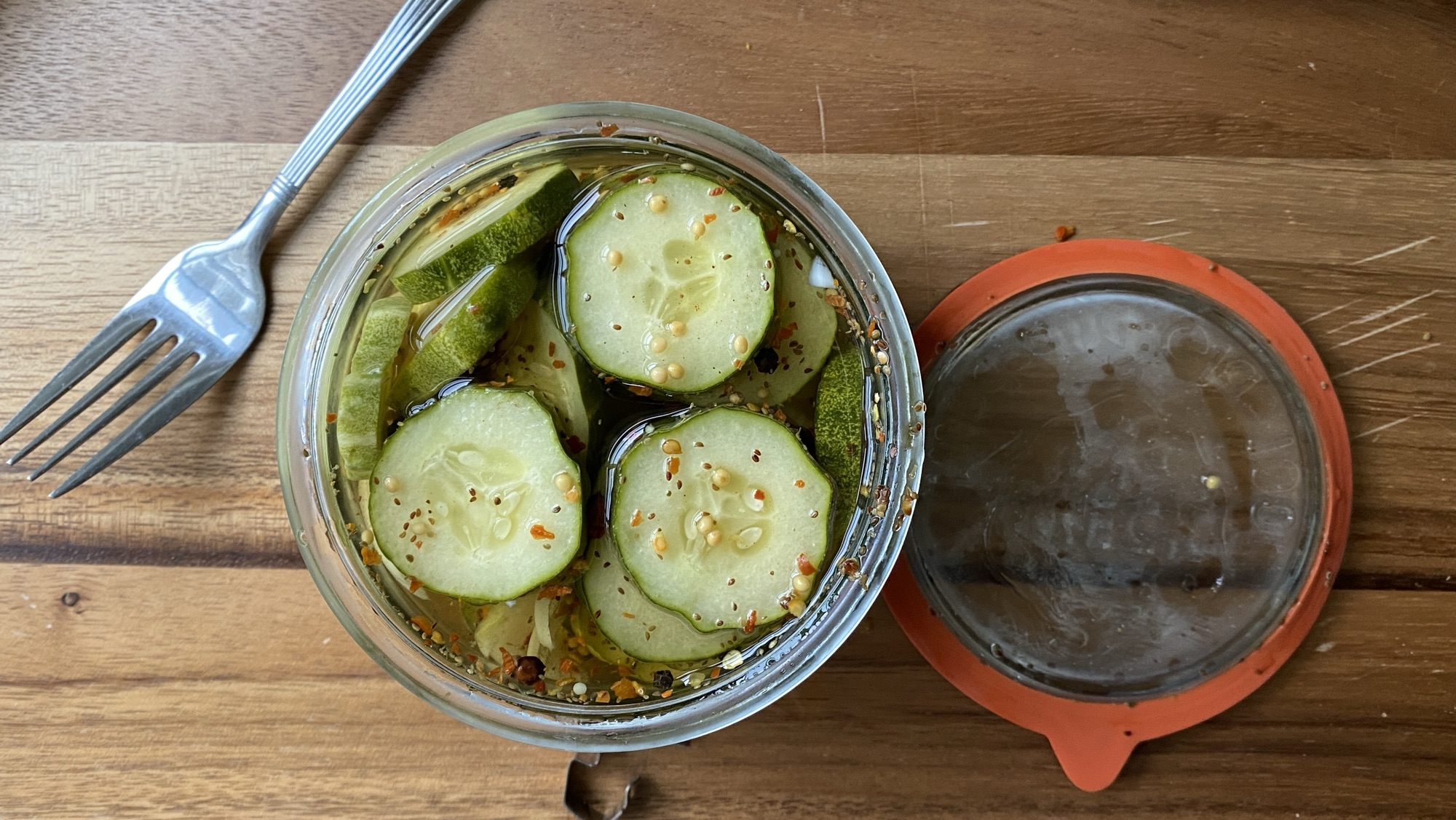
Old-fashioned refrigerator pickles made with fresh cucumbers and onions

How to Make Old-Fashioned Refrigerator Pickles in Weck Jars: A Southern Summer Staple

This recipe is part of my Old Fashioned Summer Saturdays series, a weekly look at timeless summer traditions, seasonal recipes, and vintage-inspired living. This week, we’re in the garden, putting those homegrown cucumbers to good use with a classic refrigerator pickles recipe…no canning required!

If you’ve ever grown cucumbers in your garden, you know how quickly they multiply. This easy refrigerator pickle recipe is my favorite way to preserve them without needed a canner, water bath, or any special tools. It’s fast, crisp, and full of flavor. Whether you’re a beginner or a seasoned gardener, you’ll love this vintage-inspired method.

Why I love this method:

  • No canning, no fuss. Plus it’s a great way to use homegrown produce.
  • This is a modern take on a timeless tradition.
  • There are no daunting tasks.
  • This recipe is easily adaptable and hard to mess up!

Supplies You’ll Need (affiliate links)

Recipe (keep reading for more details)

Old-fashioned refrigerator pickles made with fresh cucumbers and onions
Abby Smolarsky | Belle Antiquarian

Old-Fashioned Refrigerator Pickles

A no-canning refrigerator pickle recipe using fresh cucumbers and classic Southern flavors. Crisp, sweet-tangy, and easy to make; no special equipment required.
Prep Time 14 minutes
Additional Time 2 days
Total Time 2 days 14 minutes
Servings: 4 servings
Course: Side Dish
Cuisine: American, Southern

Ingredients
  

  • 4 medium cucumbers, thinly sliced
  • 1 Vidalia onion, thinly sliced
  • 2 cups white vinegar
  • 1 cup granulated sugar
  • 1 Tbsp kosher salt
  • 1 tsp mustard seeds
  • 1 tsp celery seeds
  • ½ tsp black pepercorns
  • ½ tsp crushed red pepper flakes
  • ½ clove of garlic per jar, peeled

Equipment

  • Clean mason jars or Weck jars
  • Sharp knife
  • Cutting board
  • Measuring cups and spoons

Method
 

  1. In a large bowl or measuring cup, whisk together the vinegar, sugar, salt, mustard seeds, celery seeds, black peppercorns, and red pepper flakes until the sugar and salt dissolve.
  2. Add the sliced cucumbers and onion to the brine, stirring to coat evenly.
  3. Place ½ garlic clove into each clean jar.
  4. Transfer the cucumber mixture into the jars, pressing gently to remove air bubbles and ensure the vegetables are fully submerged.
  5. Seal the jars tightly to refrigerate for at least 24 hours; for best flavor, allow 48 hours before serving.
  6. Shake the jars gently every few hours during the first day to distribute the seasonings evenly.

Notes

This is a small batch recipe and will typically fill 2-3 jars. If you have additional cucumbers or jars, simply prepare more brine to fully cover the vegetables. 

How to Customize Your Pickles

There is no end to the flavor combinations that you can create. Today I used radishes and cool-jalapenos (Yep, they’re a thing) to some of the jars for a few different flavor combinations. If you have a lot of extra okra, then you could pickle okra instead of cucumbers. Don’t have a Vidalia onion on hand? Use a red onion, or even swap out the white vinegar for apple cider vinegar. This recipe is very flexible!

Storage Tips

Wait about 48 hours for these pickles to achieve their peak flavor, but don’t wait too long to enjoy eating them. Since they don’t have preservatives or an airtight seal, they need to be enjoyed within a month. Keep them stored in the refrigerator, and always use a clean utensil when serving them to avoid contamination.

Whether you’re overrun with cucumbers or just looking for a way to savor summer, these easy pickles are a delicious and practical solution. If you give this recipe a try, tag me on Instagram or pin this post to save it for later! (Looking for the exact tools and products that I used? Find them HERE.)

Explore More from Old-Fashioned Summer Saturdays

This article is part of my Old-Fashioned Summer Saturdays series, where I share timeless inspiration for warm-weather living. Be sure to check out these reader favorites:

Timeless Red, White, and Blue Decor Ideas for the Porch
Heirloom Tomato Dreams
Classic Summer Whites: Timeless Linen Dresses and Southern Style Staples
Simple Garden Joys
Creating a Cozy Summer Reading Spot
Old-Fashioned Strawberry Shortcake Cake
Blue and White China for Summer Entertaining

You can subscribe here to receive new articles, seasonal inspiration, and vintage-style favorites delivered right to your inbox.

A colonial revival home decorated for the summer with red, white, and blue buntings hanging over the windows

Timeless Red, White, and Blue Decor Ideas for Summer Porch Styling

Welcome to the first post in my Old-Fashioned Summer Saturdays series, where each week I’ll share simple, nostalgic, and meaningful ways to celebrate the season at home. From time-honored recipes to classic garden scenes, this series is all about the slower pace of summer and the beauty of tradition.

There’s something so heartening about red, white, and blue bunting waving gently in the breeze. For me, decorating for summer is more than just patriotic; it’s personal. This year, as we honor Flag Day and the birthday of the United States Army, I’m reminded of my husband’s service and the pride that lives in the rhythm of our everyday life.

Here are a few timeless ways I decorate our home’s exterior for summer. Classic touches that honor tradition and transition seamlessly from Memorial Day through Independence Day.

A woman walking up the steps towards the doorway to a colonial revival home that is decorated for summer

1. Classic American Bunting

Hang red, white, and blue bunting across porch railings, below windows, or above entryways. Choose cotton or canvas styles with a vintage feel for a more authentic look.

2. Small Garden Flags or Stake Flags

Line your front walkway or flower beds with small American flags. It adds a layered look and creates a warm, welcoming lath.

3. A Seasonal, Patriotic Wreath

Create or purchase a wreath that includes hints of Americana. Think navy ribbon, white hydrangeas, or tiny vintage flags. Wreaths can be understated and transition easily into mid-summer.

A woman hanging a patriotic wreath on a black front door of a colonial revival home.

4. Grouped Vintage-Inspired Decor

Display red, white, and blue vintage containers, like enamelware, watering cans, or milk jugs, on porch steps or tables. Fill them with fresh flowers or ferns for a charming touch.

5. Timeless Lighting

String cafe lights or place solar powered lanterns near your seating area. Add a soft glow for evening porch sitting during warm weather nights.

Decorating for Flag Day and Beyond

If you’re looking to create a home that feels patriotic without being overly done, focus on balance. Mixing textiles with plants and keeping a restrained color palette lets your decor feel thoughtful, not theatrical.

Want to bring this look to your home?

Check out my curated list of red, white, and blue home accents that work all season long.

This is just the beginning of what I hope will be a summer full of simple pleasures and old-fashioned charm. I’ll be sharing a new post every Saturday, from garden stories to vintage recipes and everything in between. Until then, I hope this inspires you to dress your home in a way that feels meaningful and full of heart.

Stay tuned, and happy summer.

A colonial revival home decorated for summer with red, white, and blue buntings, American flags, and flowers

Explore More from Old-Fashioned Summer Saturdays

This article is part of my Old-Fashioned Summer Saturdays series, where I share timeless inspiration for warm-weather living. Be sure to check out these reader favorites:

Simple Garden Joys
Heirloom Tomato Dreams
Classic Summer Whites: Timeless Linen Dresses and Southern Style Staples
Refrigerator Pickles—A Southern Summer Staple
Creating a Cozy Summer Reading Spot
Old-Fashioned Strawberry Shortcake Cake
Blue and White China for Summer Entertaining

You can subscribe here to receive new articles, seasonal inspiration, and vintage-style favorites delivered right to your inbox.

Southern Garden Sangria: A Vintage-Inspired Summer Sip

There’s something about a Southern summer that invites slow afternoon, porch swings, and a glass of something cold in hand. This Southern Garden Sangria is my take on a warm weather classic, inspired by vintage garden parties, worn recipe cards, and the kind of fruit-filled drinks our grandmothers might have made from what they had growing in the yard.

Why This Sangria Feels Special

This isn’t the overly sweet sangria you may have had at a chain restaurant. This version is subtle, fragrant, and anchored by summer’s best fruits.

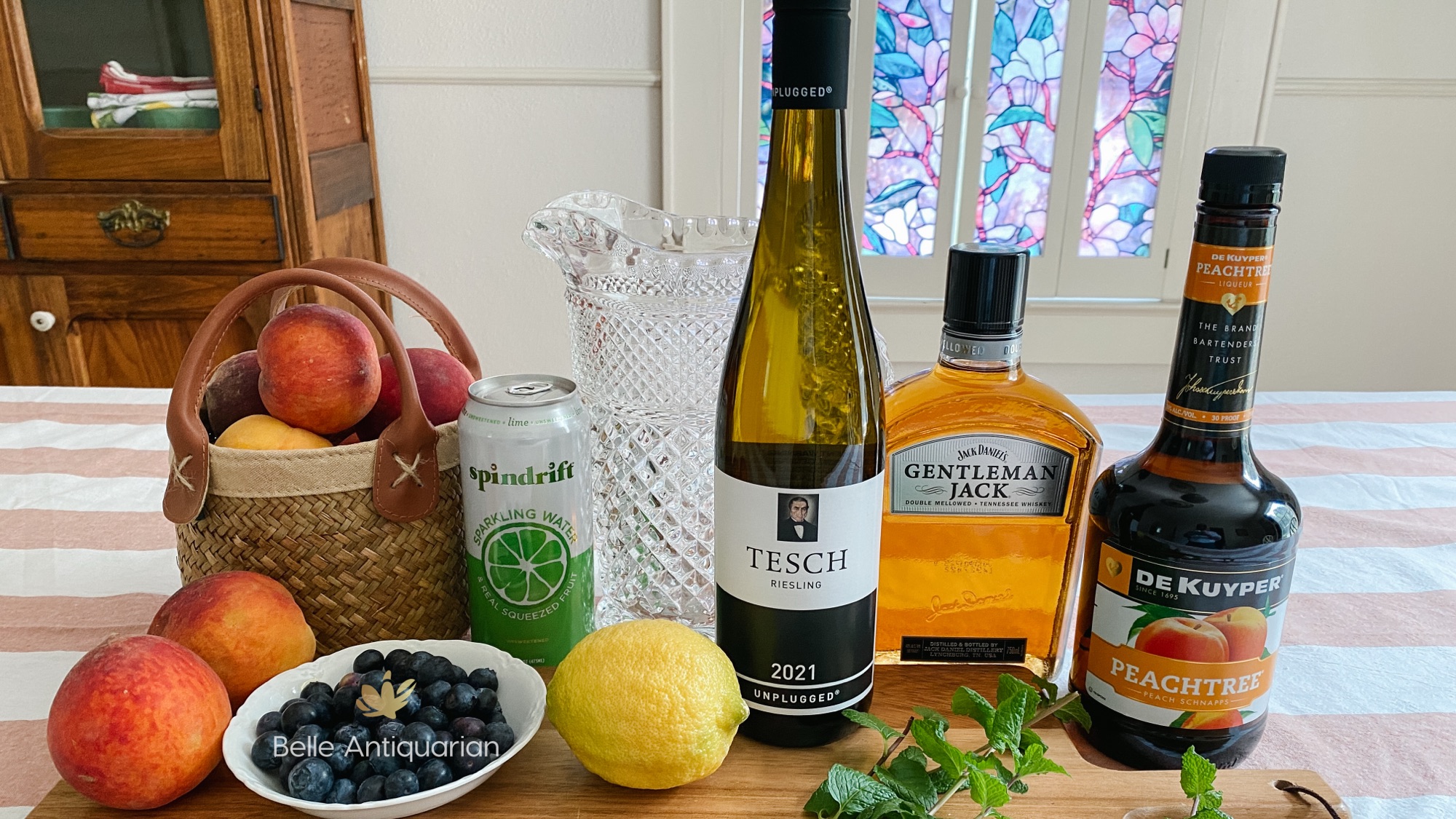
The addition of peach schnapps adds a soft floral note that pairs beautifully with ripe peaches, blueberries, and a handful of mint that I grow out on my sleeping porch.

And while you can absolutely serve it in a mason jar, I love to pour it into these vintage inspired glasses. It turns even a weeknight sip into something memorable.

Fresh summer fruit perfect for a southern garden sangria

Southern Garden Sangria

  • Servings: 6-8
  • Difficulty: easy
  • Print

This sangria uses seasonal fruits and herbs, nodding to vintage garden gatherings and Southern flavors.

Credit: BelleAntiquarian.com

Ingredients

  • 1 bottle dry white wine (I am using a dry Riesling.)
  • 1/2 cup peach schnapps
  • 1/4 cup bourbon (for extra Southern charm)
  • 1 ripe peach, sliced
  • 1/2 cup blueberries
  • 1/2 lemon, thinly sliced
  • A handful of fresh mint
  • Sparkling water or club soda, to top

Directions

  1. In a large pitcher, combine wine, liqueur, and bourbon
  2. Add sliced fruits and mint. Stir gently.
  3. Refrigerate for at least 2 hours (overnight is even better).
  4. Just before serving, top with sparkling water for a bit of fizz.
  5. Serve over ice in your prettiest glasses. Garnish with more fresh mint or edible blooms if you’d like.

Entertaining Tip: Serve It in Something Beautiful

I always say, “The glass matters.” Pull out the vintage stemware, even if it’s just for yourself. Here are a few favorites you can find online:

vintage glass pitcher with a beautiful southern garden sangria

(affiliate links – thank you for supporting Belle Antiquarian!)

Make It Your Own

This sangria is forgiving. Use what’s in season or growing near you. Swap the peaches for plums, or the blueberries for strawberries. Add a splash of rose instead of white wine. The beauty is in the mix.

Save and Share

If you make this sangria, I’d love to see! Tag me on Instagram @BelleAntiquarian so I can raise a glass with you from afar.

Looking for more vintage-inspired recipes or hosting ideas? Subscribe using the box below for new articles straight to your inbox. (You can unsubscribe at any time.)

How to Create a One-of-a-Kind Father’s Day Gift from the Antique Store

If you’re looking for a thoughtful Father’s Day gift that’s as unique as Dad, head to your favorite antique store. With a little creativity and a touch of nostalgia, you can create a meaningful gift that feels personal, useful, and memorable.

Step 1: Start with a Container

Look for a piece that can hold the other items—a vessel that becomes part of the gift itself. Think beyond traditional gift baskets. Great choices include:

  • A vintage wooden toolbox
  • A retro tin
  • An enamel dishpan
  • A metal tray
  • A wooden crate or drawer

Step 2: Find a Feature Antique

This is the item that gives the gift its character. Try to find something with history or a bit of charm that fits Dad’s interests. A few ideas:

  • A cocktail shaker for the home bartender
  • An old fishing lure or gear for the outdoorsman
  • A vintage pen for the journaler or writer
  • Records from his favorite artist
  • A metal sign for his garage or workshop

Step 3: Add Something New

Tie it all together with a small, new item that complements your finds. This bridges the gap between vintage charm and modern practicality. Try:

  • A bottle of bourbon
  • A new set of grill spices
  • A local coffee blend
  • A gift card to a tool or record store
  • A fresh notebook
Cigar Box + Vintage Shaker + Bartenders Book + Whiskey

Gift Combinations to Inspire You:

  • Bar-Inspired: Metal tray + antique shaker + favorite bourbon
  • Fishing Fan: Tackle box + vintage lures + local bait shop gift card
  • Grill Set: Old ammo box + cast iron branding iron + spice rubs
  • Coffee Crate: Vintage tin + enamel mug + fresh ground beans
  • Writer’s Box: Wooden cigar box + vintage pen + new leather journal

The beauty of this idea? It supports small businesses, gives new life to old treasures, and creates a gift that can’t be duplicated.

So this year, shop with heart. Celebrate Dad with a gift that’s built on history, thoughtfulness, and a little antique magic.

Vintage Book Shopping: Themes, Genres, and Gifts

This article contains commissionable links and ads.

The first antique I ever bought was a book. As a young teenager my family stopped into an old bookshop that used to be in historic Stone Mountain Village in Georgia. The shelves were absolutely crammed with books, and although I was an avid book lover from a very young age, I was a little overwhelmed with where to start browsing. I noticed there was a shelf marked “antique,” and for some reason, that’s where I started. I decided to look for the oldest book that I could afford. I walked out of the bookshop that day with my very first antique, a book called, “Reveries of a Bachelor.”

People often overlook buying vintage and antique books on their thrifting and antiquing adventures. Today I am sharing six things to consider when shopping for antique books: theme, genre, use, author, personalized gifts, and color/pattern.

Theme

Books can be a wonderful conversation starter, and grouped together they can become decorative accessories of interest. For example, one of our guest bedrooms has evolved into a red, white, and blue theme. On a nightstand in that room I stacked a group of books that evoke the feeling of “American government.” I currently have books in this stack with subjects like government, democracy, and America. If I want to grow this themed collection, while I am antiquing, I will look for both fiction and non-fiction books that fit with this theme. An example would be a book about American presidents, or maybe a murder mystery book with Washington, D.C. in the title.

Other themes that would be easy to search for are things like art, wild west (cowboys, western expansion), the region you live in (Southern U.S., the beach), cooking/food, gardening, or travel. Just remember not to limit yourself to either fiction or non-fiction; they can be mixed! (Check out these old gardening books HERE!)

Genre

I have wonderful memories of consuming books as a child. The characters from these books are often remembered fondly. I’ve put together a group of sentimental titles that would fit into a genre that an adolescent girl would enjoy. Books like The Secret Garden, Anne of Green Gables, and Pollyanna all make sense when grouped together in a display, because they’re all from the same genre. I’ve grouped my set on a shelf in our bedroom.

Other genres that would be fun to collect are early textbooks, British classics, poetry, music books, and hymnals. (Check out these antique poetry books HERE!)

Use

One of the best reasons to collect old books is because you’re actually going to use them. Years ago churches started throwing away all of the hymnals that used to be in stored the back of the pews. They moved to showing lyrics on screens instead of reading them from hymnals. However, many people prefer to use a hymnal to sing or play hymns on a piano. When I see a stack of old books for sale, I go through them to see if there are any old gardening books. I like to use them as references for plant problems or inspiration for things that I’d like to add to my garden.

Other books to look for if you want to actually use them are books on woodworking, cookbooks, or other types of how-to books. (Check out these old song hymnals HERE!)

Author

When people collect old books, they often choose them because of the author. One of the authors whose books I collect are those written by Edward Bulwer-Lytton. My family name is Lytton, and some relatives speculate that we are distantly related to the Lord Lytton. Another, more modern, author whose books I specifically search for is Martha Stewart. I find Martha Stewart’s books to be helpful resources for many topics that I’m interested in. Martha published her first book 43 years ago in 1982, so many of her books definitely fall into the vintage category.

Other authors that interest people are Hemingway, F. Scott Fitzgerald, Dickens, and Laura Ingalls Wilder, just to name a few. (Check out these vintage Martha Stewart books HERE!)

Personalized Gift

Another reason to consider buying vintage and antique books is for personalized gifts. Around the holidays I like to give a little something extra to people like our hair dressers and our dentist. If I was giving them a gift card or a tin of cookies, it would be fun to package their main gift with an antique dentistry book or a book on old hair styles. If you have someone in your life that is interested in wild life or travel, finding an antique book to give them on their topic of interest shows that you took a little extra effort in the thought that went into it. Be sure to look for these types of gifts all year long and set them aside for when you need them. (Check out these vintage hairstyles books HERE!)

Color and Pattern

Finally, another thing to consider when shopping for vintage and antique books is the cover. People have started using old books as decorative objects in their home. They can make an impact as decor when grouped by color. One side of my husband’s ancestry is largely found in Scotland. I have recently started collecting Scottish themed books for our bookshelf that have beautiful tartan patterned covers. These tartan decorated books are also beautiful in Christmas displays.

The next time you are thrifting and antiquing, don’t forget to look for books. Decide on a theme, a color, or even someone to buy a gift for. Recycling old objects in these ways puts them to use and keeps them out of a landfill. Happy Hunting! (Check out these vintage books with tartan covers HERE!)